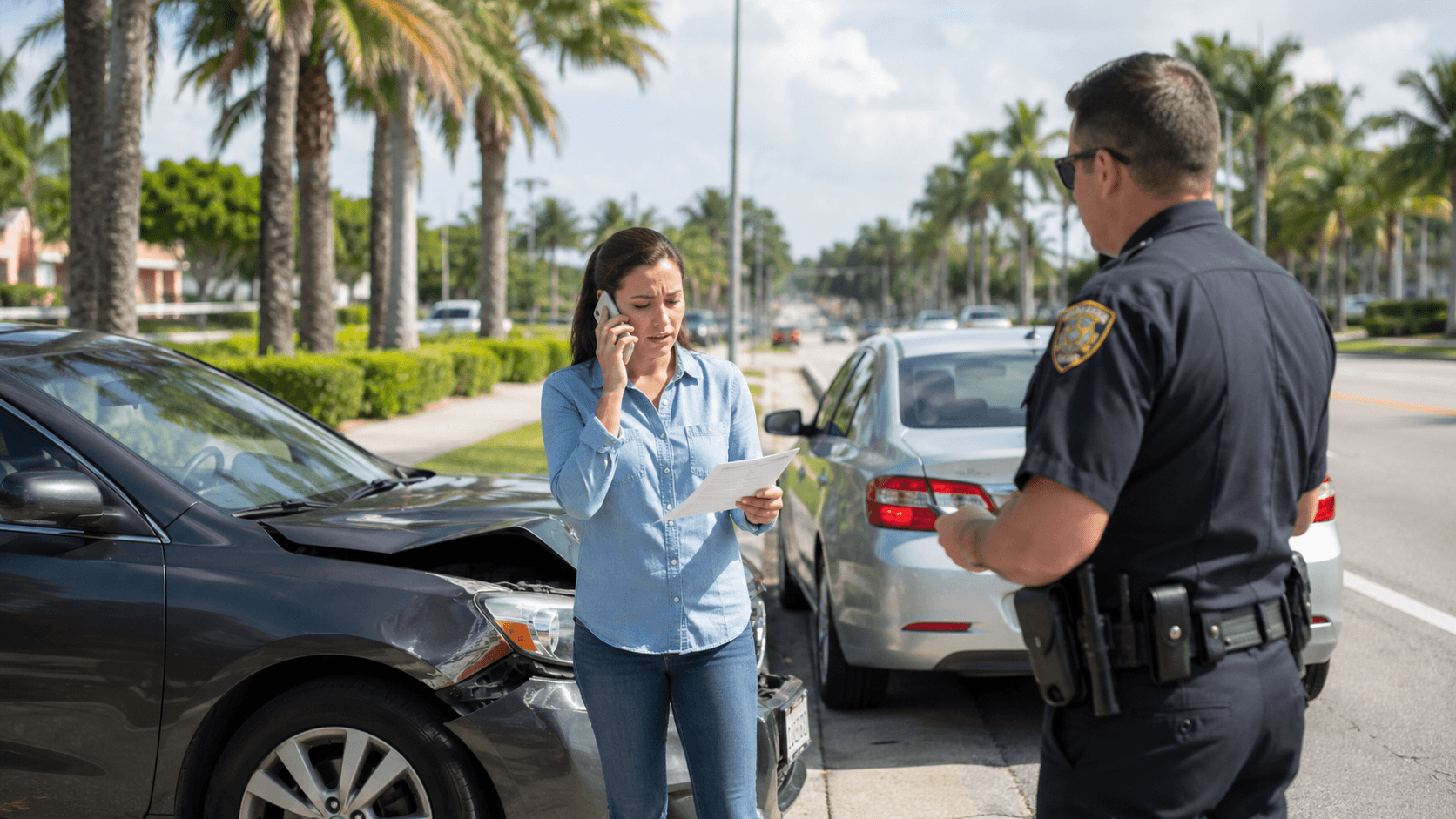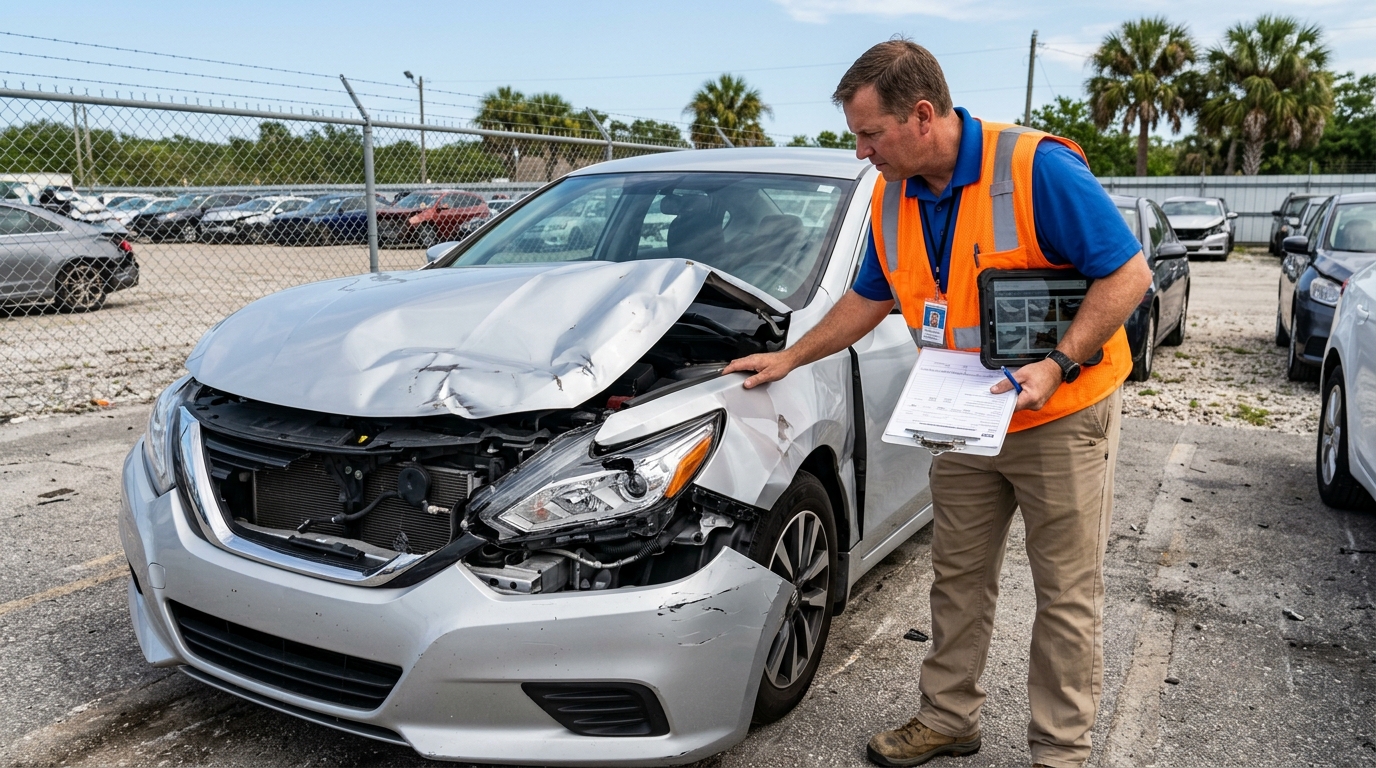
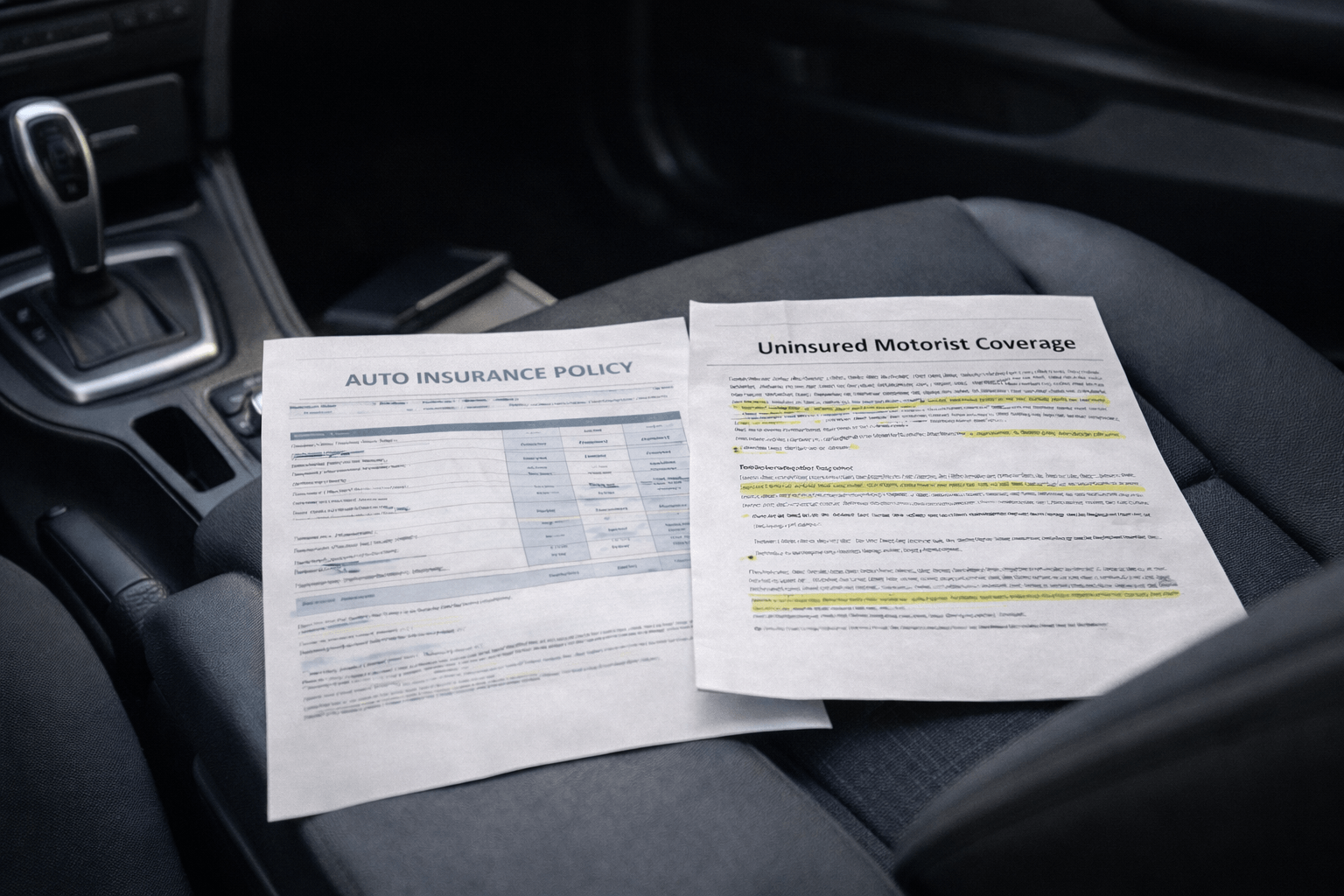
After a car accident, pulling out an insurance declarations page can feel like reading another language. Between PIP, Property Damage, Bodily Injury Liability, and Uninsured Motorist coverage, most drivers are never told which policy actually pays when someone gets hurt.
Below is a straightforward breakdown of what bodily injury liability coverage means, what it pays for, whether it covers you or the other car, and why Florida’s insurance rules leave so many drivers surprised after a serious crash.
Bodily injury liability definition: what is bodily injury liability coverage?
Bodily injury liability (often shortened to BI) is the coverage on an auto policy that steps in when the policyholder — or someone driving their car with permission — causes an accident that injures or kills another person. That includes drivers and passengers in other cars, motorcyclists, bicyclists, and pedestrians.
When you are hit by a careless driver in Florida, their bodily injury liability policy is the primary coverage you pursue once your medical bills and losses go beyond initial no-fault PIP benefits.
What does bodily injury liability cover?
When another driver is at fault for a crash, their bodily injury liability coverage is meant to compensate the people they hurt for both out-of-pocket financial losses and the human impact of the injury, up to the policy limits:
• Hospital bills, follow-up doctor visits, surgery, physical therapy, and future medical care not paid by PIP;
• Lost wages from missed work and reduced future earning capacity;
• Pain and suffering, mental anguish, scarring, and loss of enjoyment of life; and
• Legal defense costs for the insured driver if a lawsuit is filed.
Does bodily injury cover me? (And what insurance pays for the driver and passengers?)
One of the most common questions drivers ask is: "Does my own bodily injury coverage pay for my medical bills if I cause an accident?" The answer is no. Your BI coverage only pays people outside your household whom you are legally responsible for hurting.
So what type of insurance pays for the treatment of injuries and losses to the driver and passengers in your car? Regardless of who caused the wreck, Florida Personal Injury Protection (PIP) and Medical Payments (MedPay) cover initial medical treatment for you and your passengers. And if another driver caused the crash, their bodily injury liability policy — or your own Uninsured/Underinsured Motorist (UM) coverage — can cover the rest of your medical bills, lost wages, and pain and suffering.
Insurance Tip
Your own BI policy protects you when you hurt someone else. PIP, MedPay, UM coverage, and the at-fault driver’s BI policy are what pay when you and your passengers are hurt.
Free Consultation
Have questions about your next step?
A short conversation can help you understand what records matter, how insurance may respond, and whether legal help makes sense for your situation.
Bodily injury and property damage (BIPD) explained
Auto policies frequently group liability into bodily injury and property damage (BIPD). While car insurance bodily injury liability pays for physical injuries, medical expenses, lost income, and pain and suffering caused to other people, Property Damage Liability (PDL) pays to repair or replace the other person’s vehicle or property.
Bodily injury liability is typically written with split limits — such as $25,000/$50,000 or $100,000/$300,000 — where the first number is the maximum paid per injured person and the second number is the maximum paid per accident for all injured people combined.
Bodily injury liability Florida: is BI required in Florida?
Under Florida’s Financial Responsibility Law, most private passenger drivers are only required to carry $10,000 in Personal Injury Protection (PIP) and $10,000 in Property Damage Liability (PDL) to register a car — meaning many drivers on Florida roads do not carry bodily injury liability insurance at all unless required by prior crash history, a DUI conviction (FR-44), or a leased/financed vehicle agreement.
Because Florida bodily injury liability coverage is not carried by every driver, checking whether the at-fault driver has BI coverage — and whether you have Uninsured/Underinsured Motorist (UM) coverage or commercial policy claims — is a critical early step after any serious Florida crash.
How bodily injury coverage differs from PIP and UM coverage
PIP (Personal Injury Protection) pays 80% of reasonable medical bills and 60% of lost wages up to $10,000 regardless of who caused the crash, provided you receive initial medical care within 14 days. However, PIP does not pay a single dollar for pain and suffering.
Bodily injury liability coverage belongs to the at-fault driver and can pay for uncompensated medical bills, full wage loss, and pain and suffering. Uninsured/Underinsured Motorist (UM) coverage is your own policy that steps into the shoes of the at-fault driver when they have zero bodily injury liability insurance or policy limits that are too low for your injuries.
Talk to Pipas Law Group about bodily injury liability after a Florida crash
If you were hurt in a Florida car, truck, motorcycle, or bicycle crash, do not guess which insurance policy applies or accept an adjuster’s first offer before every policy is disclosed under Florida Statute 627.4137.
Pipas Law Group can request statutory insurance disclosures, identify all bodily injury liability, commercial, umbrella, and UM coverage, and fight for the full compensation you deserve — with no upfront fees and no fee unless we win.
Frequently Asked Questions
How Does Bodily Injury Liability Insurance Work in Florida? Definition & Coverage Guide FAQs
What is the bodily injury liability definition in car insurance?
Bodily injury liability (BI) is auto insurance coverage that pays for medical expenses, lost wages, pain and suffering, and legal costs when the insured driver is at fault for a crash that injures or kills another person.
What does bodily injury liability cover?
Bodily injury liability covers another injured person’s hospital and medical bills, rehabilitation, lost income, reduced earning capacity, and pain and suffering caused by an at-fault driver, up to the policy’s per-person and per-accident limits.
Does bodily injury cover me if I am at fault?
No. Your own bodily injury liability coverage only pays for injuries you cause to other people. Your own injuries are covered by Personal Injury Protection (PIP), Medical Payments (MedPay), or health insurance, and if someone else was at fault, by their BI policy or your UM coverage.
What type of insurance pays for the treatment of injuries and losses to the driver and passengers?
Personal Injury Protection (PIP / no-fault insurance) and Medical Payments (MedPay) pay for the treatment of injuries and covered losses to the driver and passengers in your vehicle regardless of fault, while Uninsured Motorist (UM) and the at-fault driver’s bodily injury liability insurance cover broader losses when another driver caused the crash.
What is the difference between bodily injury and property damage liability?
Bodily injury liability pays for people’s physical injuries, medical bills, lost wages, and pain and suffering, whereas property damage liability pays for physical damage to other people’s vehicles, fences, buildings, or property.
Is bodily injury liability insurance required in Florida?
Standard Florida registration requires $10,000 in PIP and $10,000 in Property Damage Liability, though drivers with certain convictions or prior crashes must carry bodily injury liability coverage under Florida’s Financial Responsibility Law.
Talk to Pipas Law Group
Have questions after an accident?
The Pipas Law Group team can review the details, explain what may matter, and help you think through your next step.