One of the most frustrating problems after a Florida car accident is learning that the at-fault driver has little or no insurance. A person can do everything right, get hurt through no fault of their own, and still discover that the other driver's policy is not enough to cover the harm.
That does not always mean there are no options. The insurance analysis usually becomes more important. The injured person's own coverage, household policies, health insurance, and other potentially responsible parties may all need to be reviewed.
1. Start With Florida PIP Coverage
In many Florida car accident cases, Personal Injury Protection coverage is the first layer that may help with medical expenses and a portion of lost wages. PIP is usually tied to the injured person's own policy or another qualifying household policy.
PIP is important, but it is limited. Serious injuries can use up available benefits quickly, especially when emergency treatment, imaging, specialists, or therapy are involved.
2. Why Bodily Injury Coverage Matters
If the at-fault driver has bodily injury liability coverage, that policy may become a source of recovery for losses beyond the no-fault layer. But some drivers have low limits, and some may not have meaningful coverage at all.
When coverage is limited, the claim may need to account for policy limits, medical damages, wage loss, and whether any other insurance layer is available.
3. Uninsured and Underinsured Motorist Coverage
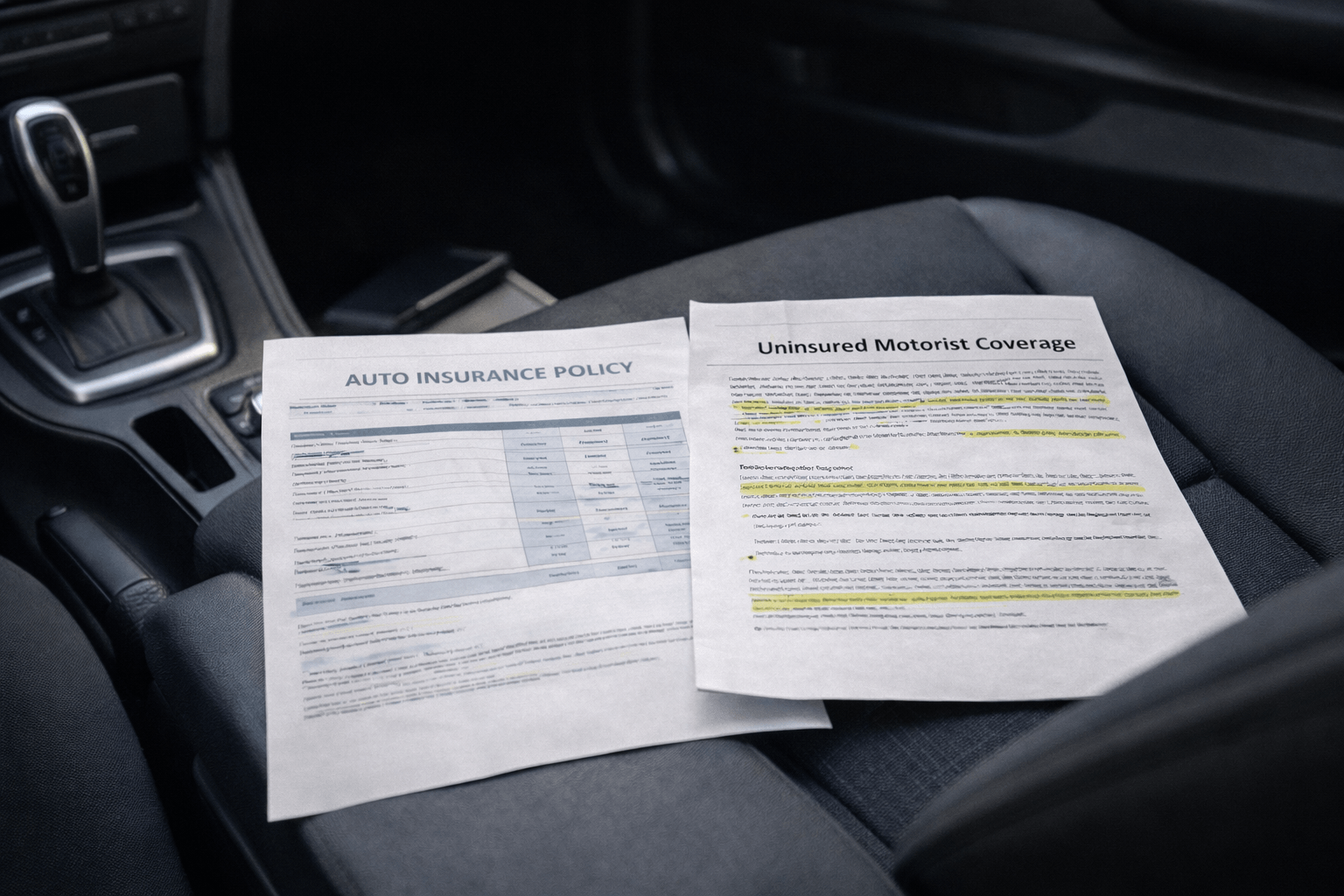
Uninsured or underinsured motorist coverage, often called UM or UIM, can be extremely important when the at-fault driver has no insurance or not enough insurance. This coverage may come from the injured person's own policy or a qualifying household policy.
Whether UM applies depends on the policy language, rejection forms, household status, vehicles involved, and facts of the crash. It should be reviewed carefully rather than assumed.
Insurance Tip
Do not rely only on the other driver's insurance card. Your own policy, household policies, declarations pages, and UM or UIM selections may all affect the available coverage.
4. Health Insurance and Medical Treatment
Health insurance may become part of the medical-payment strategy when PIP is limited or exhausted. That does not mean the injury claim is over. It means billing, liens, reimbursement, and settlement planning may need to be handled carefully.
Medical treatment should not be delayed simply because the at-fault driver's insurance appears weak. Health and documentation both matter.
5. Property Damage and Collision Coverage
If the at-fault driver cannot pay for vehicle damage, collision coverage under the injured person's own policy may help repair or replace the vehicle, depending on the policy. Deductibles and reimbursement issues may still arise.
Rental car coverage, towing, storage, and repair disputes can create additional stress, especially when the other driver is uninsured.
Free Consultation
Have questions about your next step?
A short conversation can help you understand what records matter, how insurance may respond, and whether legal help makes sense for your situation.
6. Hit-and-Run Cases
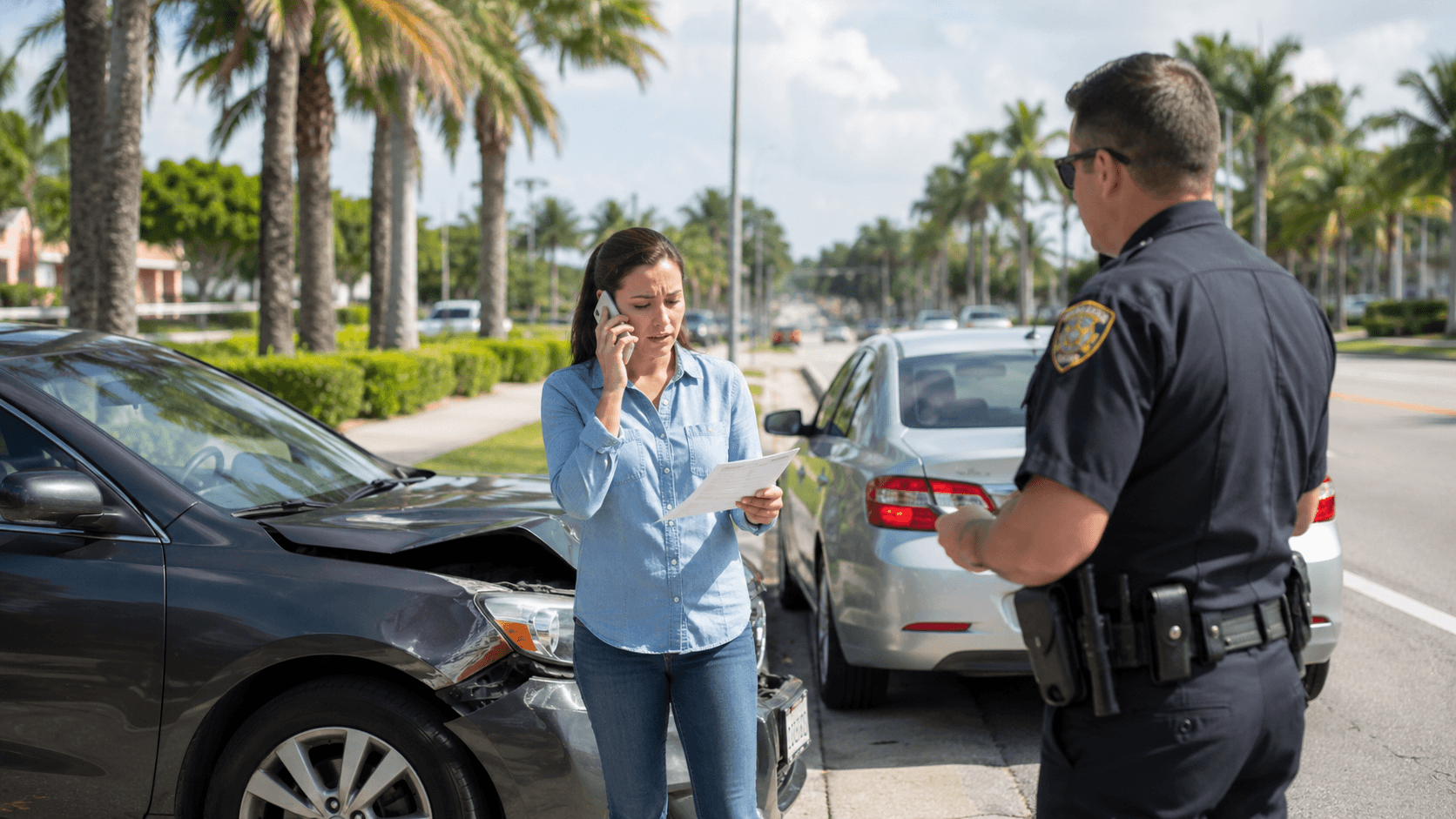
A hit-and-run crash can create a similar insurance problem because the at-fault driver is unknown or unavailable. In those cases, police reports, witness information, video, vehicle debris, and uninsured motorist coverage may become especially important.
The sooner the crash is reported and documented, the better the chance of preserving useful evidence.
7. Could Another Party Be Responsible?
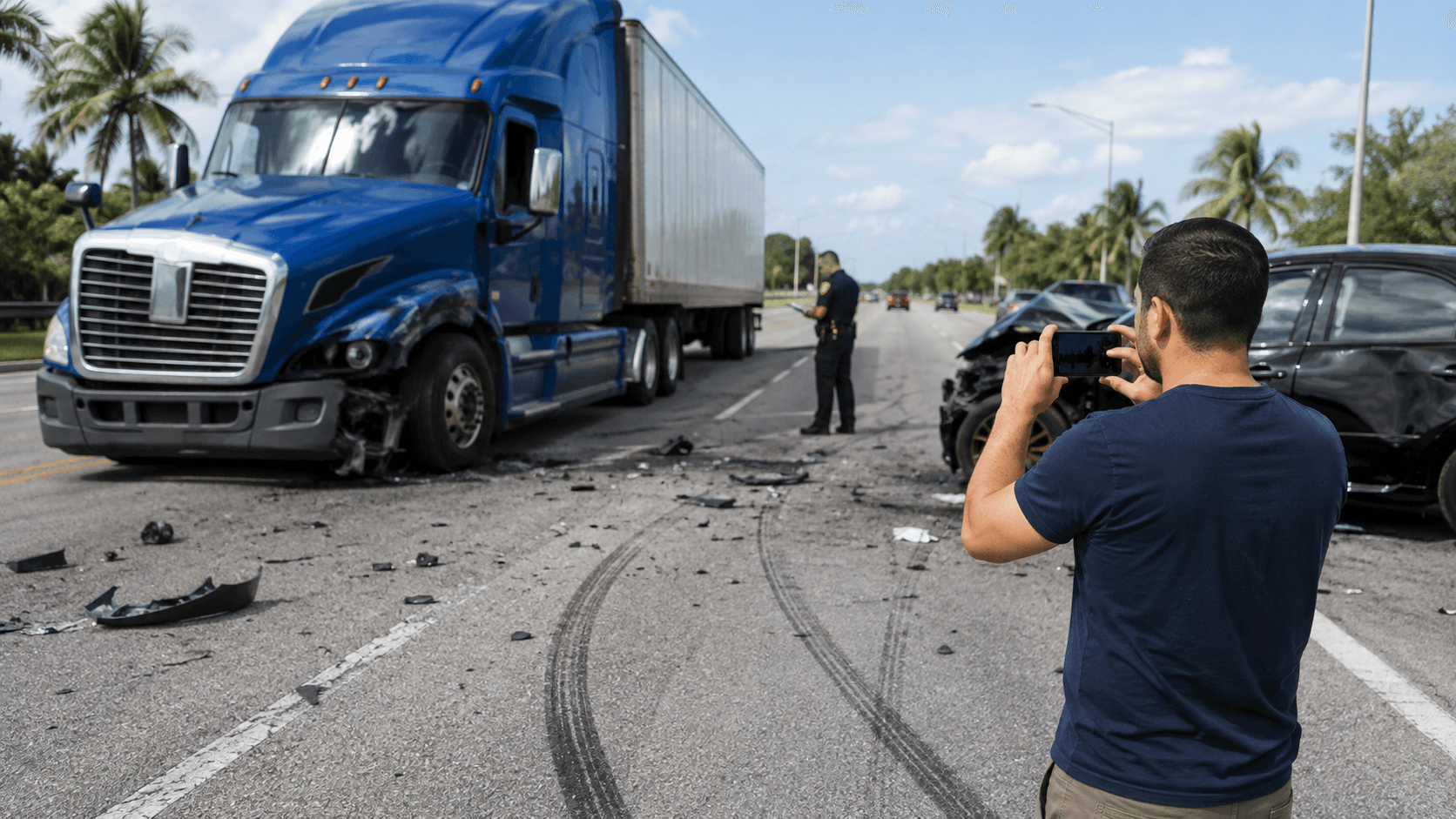
Sometimes the at-fault driver is not the only possible source of liability. A company vehicle, delivery driver, rideshare trip, commercial vehicle, road hazard, defective vehicle part, or negligent entrustment issue may change the analysis.
These possibilities depend on the facts and should not be assumed. But they are worth reviewing when the available insurance appears too small for the injuries involved.
8. Avoid Accepting a Fast Settlement Without Understanding Coverage
When coverage is limited, insurers may move quickly to resolve the claim for available limits. That may be appropriate in some cases, but a fast offer can create problems if medical needs, liens, UM coverage, or other responsible parties have not been reviewed.
Before signing a release, look at the settlement in the context of all available insurance and the full injury picture. Once a release is signed, it may close claims that still needed more review.
Good to Know
A policy-limits offer can still require careful review. Medical liens, release language, UM coverage, and other possible defendants may affect whether the offer resolves the right claims.
9. What Documents Should You Gather?
Keep the crash report, photos, insurance declarations pages, policy letters, medical bills, treatment records, wage-loss proof, repair estimates, rental receipts, towing bills, and all communications from insurers.
Strong organization helps when multiple coverage sources are being evaluated at the same time.
10. Why Policy Review Matters
Coverage questions often depend on the exact policy language. Declarations pages, rejection forms, household vehicles, residency, named insured status, and available endorsements can all affect the analysis.
A person should not assume there is no recovery simply because the at-fault driver has weak coverage. The full insurance picture should be reviewed before the claim is treated as limited.
11. Settlement Planning When Coverage Is Limited
When insurance is limited, settlement planning becomes important. Medical liens, outstanding bills, health insurance reimbursement, PIP payments, and UM claims may all need to be coordinated.
The goal is to understand the real financial picture before signing a release, not after.
Talk to Pipas Law Group
Have questions after an accident?
The Pipas Law Group team can review the details, explain what may matter, and help you think through your next step.