Seat belts save lives, but the force of a crash can still leave bruises, abrasions, soreness, and other injuries across the shoulder, chest, abdomen, or hips. Some marks are obvious right away. Other symptoms may develop after the initial shock wears off.
This article explains common seat belt injury issues in general terms, why medical evaluation can matter when symptoms appear, and how documentation may help connect the injury to the car accident. It is not medical advice, and anyone with concerning symptoms should seek appropriate medical care.
What is a seat belt injury?
A seat belt injury is a broad term for harm that may occur where the restraint contacts the body during a crash. Common visible signs can include bruising, redness, abrasions, swelling, or tenderness along the shoulder strap or lap belt path.
The presence of a seat belt mark does not automatically show how serious an injury is. It is one piece of information that should be considered with symptoms, medical findings, crash forces, photographs, and the overall record.
Seat belt bruises and abrasions after a crash
A seat belt bruise may appear across the collarbone, chest, stomach, hip, or lower abdomen. Abrasions can occur when the belt rubs against skin or clothing during impact. These marks may fade quickly, so early photographs can matter.
Bruising and abrasions are sometimes minor, but they can also appear with pain, breathing discomfort, abdominal tenderness, dizziness, numbness, or other symptoms that deserve medical attention. Do not try to diagnose the injury yourself based only on the appearance of the mark.
Good to Know
If pain, swelling, abdominal discomfort, breathing issues, dizziness, or worsening symptoms appear after a crash, seek appropriate medical evaluation rather than assuming a seat belt mark is only a surface bruise.
Why delayed symptoms can complicate the claim
After a collision, adrenaline can mask pain. Some people leave the scene thinking they are only sore, then notice deeper pain, stiffness, bruising, or mobility problems later. That delay can create confusion if the insurance company later questions whether the symptoms were related to the crash.
Prompt medical evaluation and consistent follow-up can help create a clearer timeline. Medical records can show what symptoms were reported, what areas were examined, what treatment was recommended, and how the condition changed over time.
Free Consultation
Have questions about your next step?
A short conversation can help you understand what records matter, how insurance may respond, and whether legal help makes sense for your situation.
How to document a seat belt injury
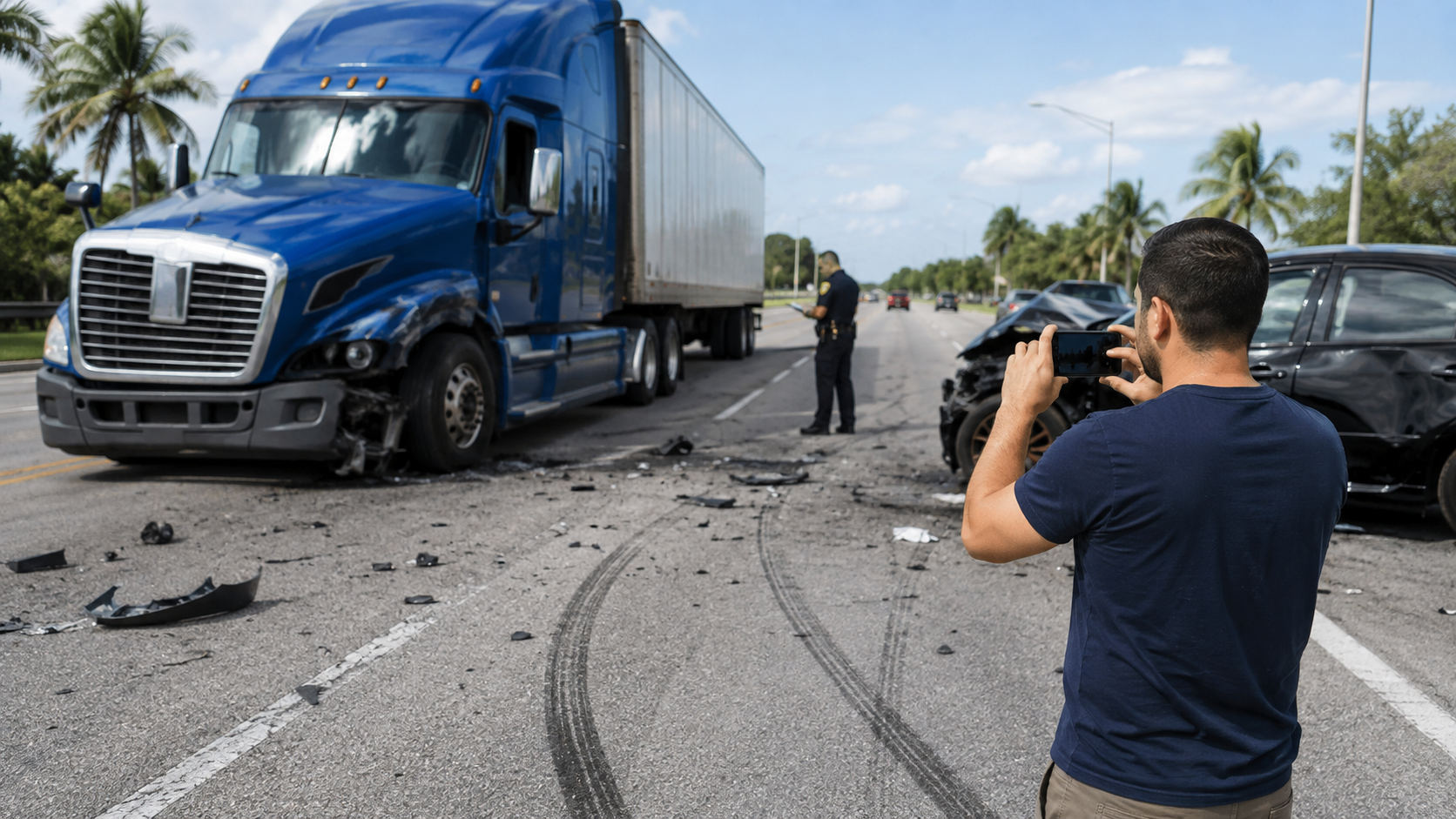
Photographs can be useful when taken safely and respectfully. Capture the bruising or abrasion from more than one angle, include the date when possible, and continue documenting visible changes over the next few days if the mark develops.
Also preserve the crash report number, vehicle photographs, medical records, bills, discharge instructions, prescriptions, work restrictions, and insurance communications. The goal is to create a reliable record rather than relying on memory weeks or months later.
Evidence Tip
Seat belt marks can fade. Early photos, medical notes, and a simple symptom timeline may help preserve details that are difficult to recreate later.
How seat belt injuries fit into a car accident claim
A car accident claim usually depends on liability, causation, injury documentation, damages, and available insurance. A seat belt bruise or abrasion may help show how the body moved in the collision, but the claim still needs medical and factual support.
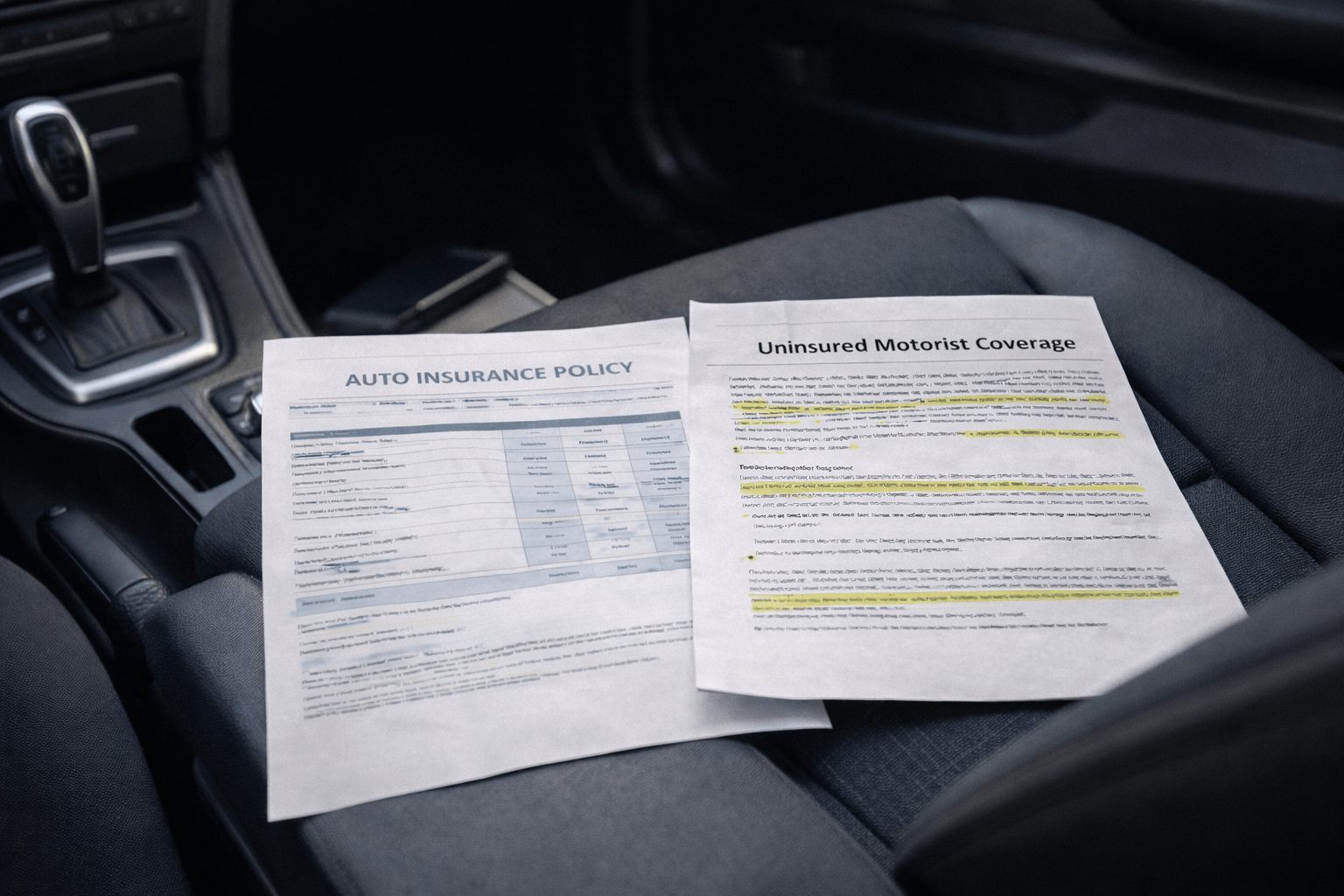
Insurance questions may include PIP coverage, health insurance, bodily injury liability coverage, uninsured or underinsured motorist coverage, and medical billing issues. The right coverage analysis depends on the policies and facts involved.
When to speak with a lawyer after a seat belt injury
Legal guidance may be helpful when symptoms are significant, treatment is ongoing, the insurer is questioning the injury, fault is disputed, medical bills are increasing, or missed work is becoming a problem.
Pipas Law Group can review the crash details, available records, and insurance issues to help injured people understand what may matter next after a Florida car accident.
When to Call a Lawyer
Consider asking questions early if the injury is more than minor soreness, if symptoms are changing, or if the insurance company is asking for statements or releases before the medical picture is clear.
Frequently Asked Questions
Seat Belt Injuries After a Car Accident: Bruising, Abrasions, and Documentation FAQs
Is a seat belt bruise serious?
It can be minor, but it should not be ignored if pain, swelling, abdominal symptoms, breathing issues, dizziness, numbness, or worsening symptoms are present. Medical evaluation is the safest way to understand the injury.
Should I photograph a seat belt abrasion after a car accident?
Photographs may help document visible marks before they fade. They should be kept with medical records, crash photos, insurance letters, and other accident-related documents.
Can a seat belt injury be part of a Florida car accident claim?
Yes, if the facts, medical records, causation, and damages support it. The injury still needs proper documentation and review of available insurance coverage.
Talk to Pipas Law Group
Have questions after an accident?
The Pipas Law Group team can review the details, explain what may matter, and help you think through your next step.