
Not every personal injury case begins with a lawsuit. Many cases first move through a pre-suit or pre-litigation stage where the facts, medical records, insurance coverage, and settlement options are evaluated.
Understanding this stage can help accident victims know why documentation, communication, and timing matter before any formal court filing happens.
What does pre-suit mean in a personal injury case?
Pre-suit generally means the period before a lawsuit is filed. In a personal injury claim, this may include learning what happened, identifying responsible parties, gathering records, reviewing insurance, tracking medical treatment, and communicating with insurers.
The goal is often to understand the claim well enough to decide whether it can be resolved through negotiation or whether filing a lawsuit may be necessary.
What does pre-litigation mean?
Pre-litigation is often used to describe the same general period before formal litigation begins. The term can include investigation, claim setup, medical documentation, insurance communication, and settlement efforts.
A case can be serious even if it has not entered litigation. Strong pre-litigation work may shape how the insurer evaluates the claim and whether later litigation is needed.
What usually happens during the pre-suit stage?
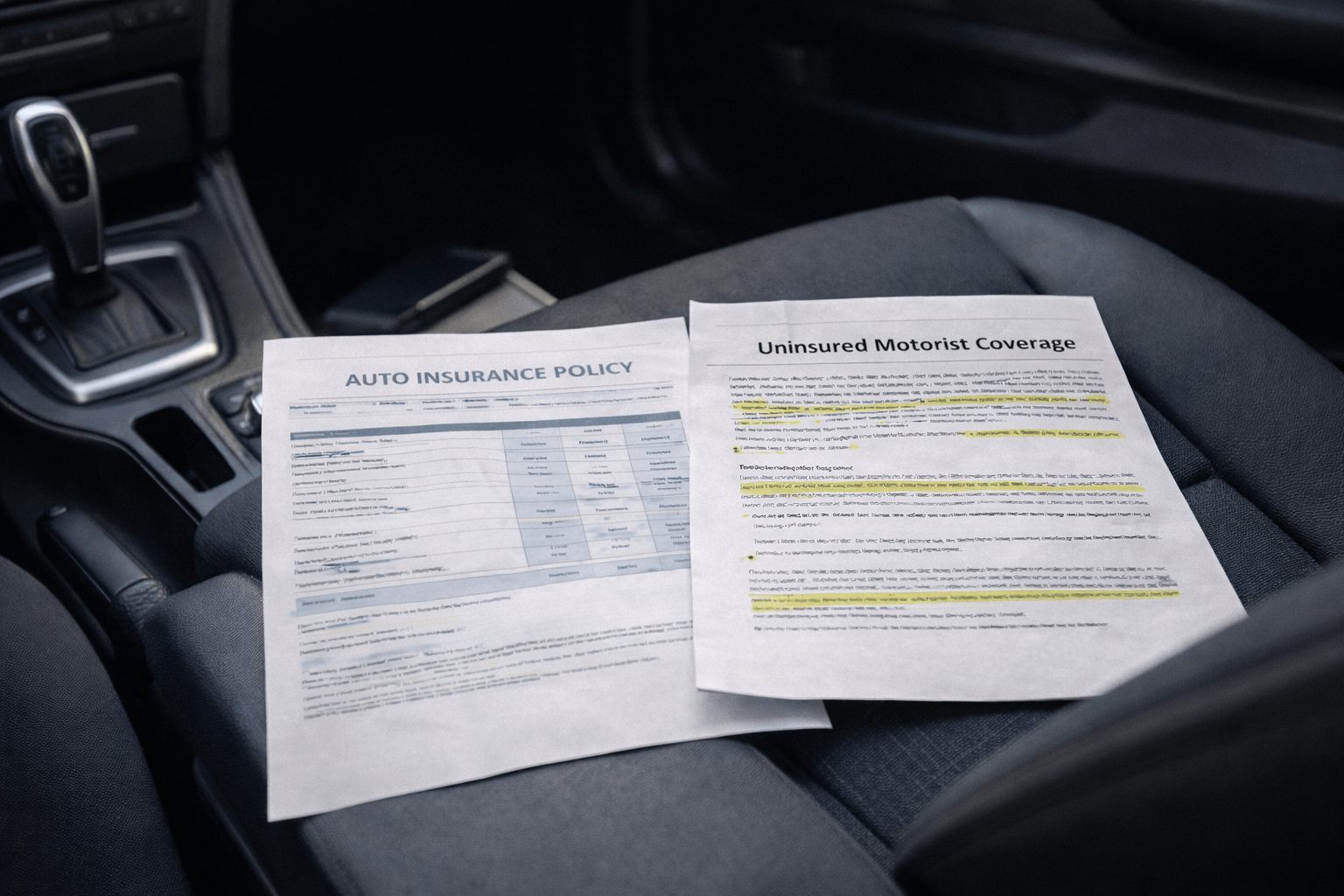
The pre-suit stage may involve obtaining crash reports, incident reports, photographs, witness information, medical records, bills, wage-loss documentation, insurance policies, and claim correspondence. In some cases, video, vehicle data, business records, or preservation letters may also matter.
As treatment develops, the legal team may evaluate liability, causation, damages, liens, available coverage, and whether the claim is ready for a demand package or negotiation.
Key Point
Pre-suit is not idle time. It is often when the record is built, insurance coverage is reviewed, and the case is prepared for negotiation or the next legal step.
Why many cases do not start with a lawsuit
Filing too early can sometimes create unnecessary cost and pressure before the injuries, treatment needs, and damages are clear. In other cases, delay can hurt the claim if evidence is disappearing or the insurer is not acting reasonably.
The right timing depends on the facts, the injuries, the available evidence, the insurance picture, and any applicable deadlines. This is why case-specific legal review matters.
Free Consultation
Have questions about your next step?
A short conversation can help you understand what records matter, how insurance may respond, and whether legal help makes sense for your situation.
How insurance communication fits into pre-litigation
Insurance companies may ask for recorded statements, authorizations, documents, or early settlement discussions while the claim is still developing. Some communication is necessary, but broad statements or releases can create problems if the full medical picture is not yet known.
Organized records and careful communication can help prevent confusion over fault, injuries, treatment, and damages.
When does a case move from pre-suit to litigation?
A case may move toward litigation if settlement discussions fail, liability is disputed, damages are undervalued, evidence requires formal discovery, or the deadline to file suit is approaching. Filing a lawsuit changes the process and introduces court rules, pleadings, discovery, motions, mediation, and trial preparation.
Litigation is not automatic in every injury case, but the possibility of litigation is one reason careful preparation matters from the beginning.
Why Brandon Kemp’s pre-litigation background may matter
Attorney Brandon Kemp’s background includes years of personal injury insurance claim experience, pre-litigation work, and litigation case strategy. That kind of experience can be useful when a case needs organized records, insurance review, and practical planning before a lawsuit decision is made.
The best next step depends on the facts of the accident, the injuries, the treatment record, and the insurance issues involved.
Talk to Pipas Law Group about the pre-suit stage
If you are in the early stage after an accident, Pipas Law Group can help review what happened, what records may matter, and how insurance communication should be handled.
A consultation can help clarify whether the case is still in a pre-suit posture, whether more documentation is needed, and what next steps may make sense.
Frequently Asked Questions
Personal Injury Pre-Suit and Pre-Litigation: What It Means Before a Lawsuit FAQs
Does pre-suit mean no lawsuit has been filed?
Usually yes. Pre-suit refers to the stage before a lawsuit is filed, when the claim may still be under investigation, documentation, insurance review, or negotiation.
Can a personal injury case settle during pre-litigation?
Many cases can resolve before a lawsuit is filed, but settlement depends on liability, damages, insurance coverage, documentation, and whether the offer fairly accounts for the claim.
Should I wait until litigation to speak with a lawyer?
Not necessarily. Early legal guidance may help preserve evidence, organize records, avoid communication mistakes, and evaluate insurance issues before a lawsuit decision is made.
Talk to Pipas Law Group
Have questions after an accident?
The Pipas Law Group team can review the details, explain what may matter, and help you think through your next step.