Slip and fall accidents can happen almost anywhere, including stores, apartment complexes, sidewalks, office buildings, restaurants, and parking areas. Although people sometimes treat falls as minor embarrassments, the injuries can be very serious, especially for older adults or anyone who strikes their head, back, or joints in the fall.
These cases are often preventable. Many slip and fall claims begin with a property condition that should have been identified, corrected, or clearly warned about before someone got hurt.
Wet or slippery surfaces
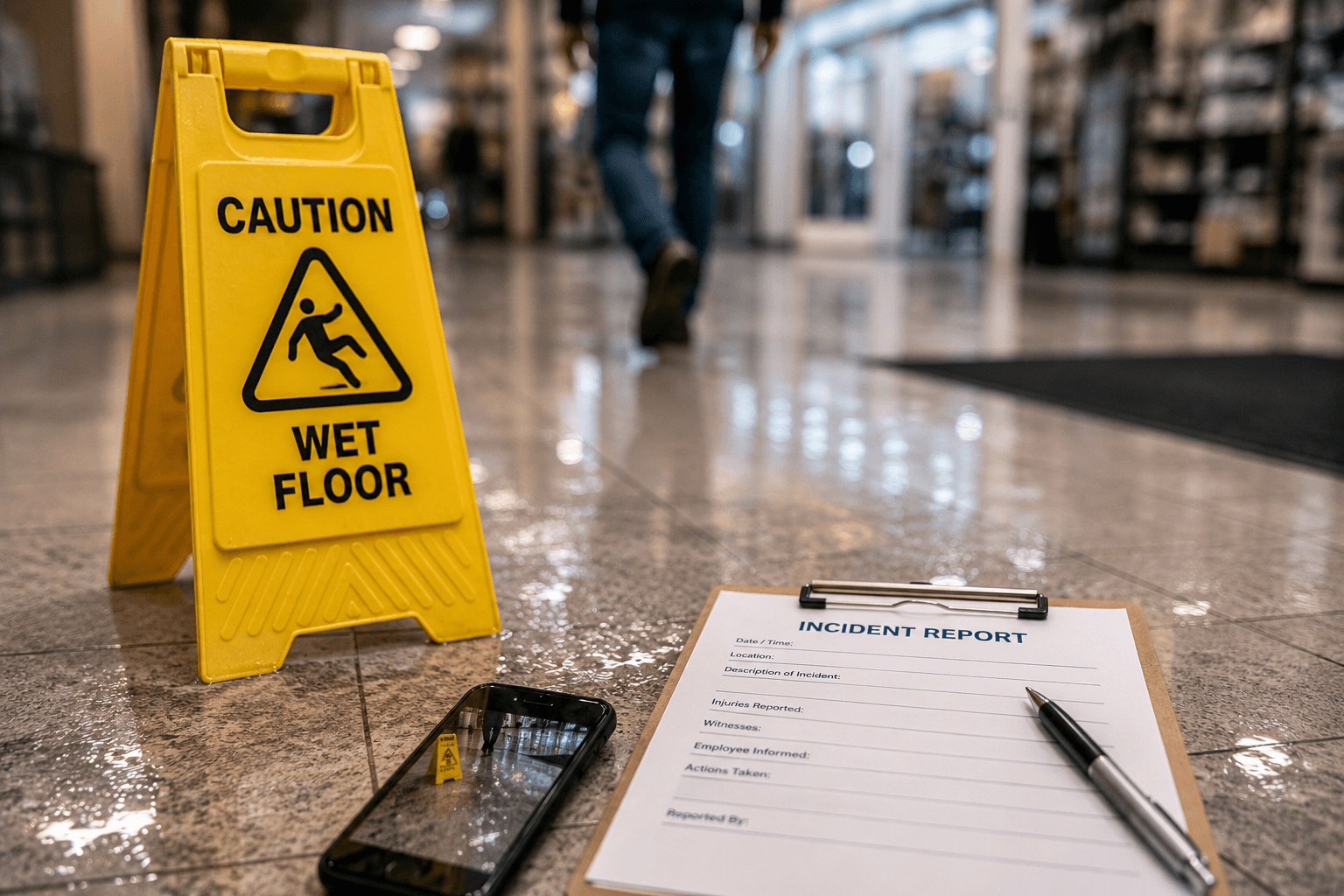
Wet floors, tracked-in water, spills, recently mopped walkways, and slick surfaces remain some of the most common causes of slip and fall accidents. These hazards can appear in grocery stores, restaurants, apartment entryways, and all kinds of public or private properties.
The legal question often becomes whether the hazard existed long enough or was obvious enough that the property owner should have taken reasonable action to fix it or warn people.
Poor lighting
Inadequate lighting can make otherwise visible hazards hard to detect. Stairwells, hallways, parking lots, and entrances become much riskier when lighting is poor and pedestrians cannot clearly see changes in level, obstacles, or slippery conditions.
Lighting issues often matter because the property itself may technically be navigable in good visibility, but unreasonably dangerous in dim conditions.
Uneven surfaces and walkway hazards
Cracked sidewalks, broken pavement, loose flooring, uneven transitions, curled mats, and similar defects can all create trip hazards. These are especially dangerous in busy environments where people are walking normally rather than scanning constantly for defects.
A property owner does not have to guarantee perfection, but unsafe surface conditions that should have been addressed can become central to liability analysis.
Free Consultation
Have questions about your next step?
A short conversation can help you understand what records matter, how insurance may respond, and whether legal help makes sense for your situation.
Obstacles in walkways
Objects left in walking paths—whether merchandise, cords, equipment, furniture, or debris—can create preventable fall risks. In some cases the danger is temporary, but still serious enough that it should have been corrected promptly.
The more avoidable the obstruction, the more important the documentation tends to be in a later claim.
Negligent maintenance
A neglected property can create a pattern of fall risk rather than one isolated hazard. Broken handrails, loose carpeting, damaged stairs, worn surfaces, and delayed repairs can all point toward broader maintenance failure.
When a property is not being inspected or maintained reasonably, that issue can become one of the strongest themes in a slip and fall case.
Why reporting and documentation matter
If you suffer a slip and fall, it is important to report the incident and document the scene as quickly as possible if you are physically able. Photos of the exact hazard, surrounding lighting, walkway conditions, and your injuries can be extremely useful later.
Slip and fall scenes can change quickly once a spill is cleaned, an object is moved, or a warning sign is added after the fact. That is one reason early evidence can matter so much.
Talk to Pipas Law Group about your options
If you were injured in a slip and fall and believe a dangerous property condition played a role, Pipas Law Group can help you understand what legal options may be available.
Falls are often underestimated at first, but the injuries and financial consequences can be significant when proper treatment, missed work, and long-term pain enter the picture.
Frequently Asked Questions
Understanding the Causes of Slip and Fall Accidents FAQs
What are common causes of slip and fall accidents?
Common causes include wet floors, poor lighting, uneven surfaces, walkway obstacles, and negligent maintenance of the property.
Should I report a slip and fall right away?
Yes. Prompt reporting can help preserve evidence and create a record of what happened before conditions change.
Why are photos so important after a fall?
Because the hazard may be cleaned up, moved, repaired, or changed shortly after the incident, making later proof much harder.
Can a fall still be serious even if it seems minor at first?
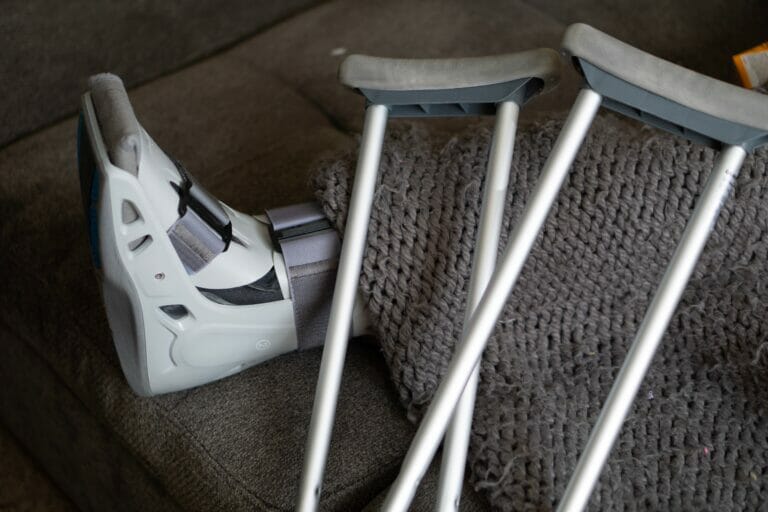
Yes. Slip and fall accidents can lead to head injuries, back injuries, fractures, and other problems that may be more serious than they first appear.
Talk to Pipas Law Group
Have questions after an accident?
The Pipas Law Group team can review the details, explain what may matter, and help you think through your next step.