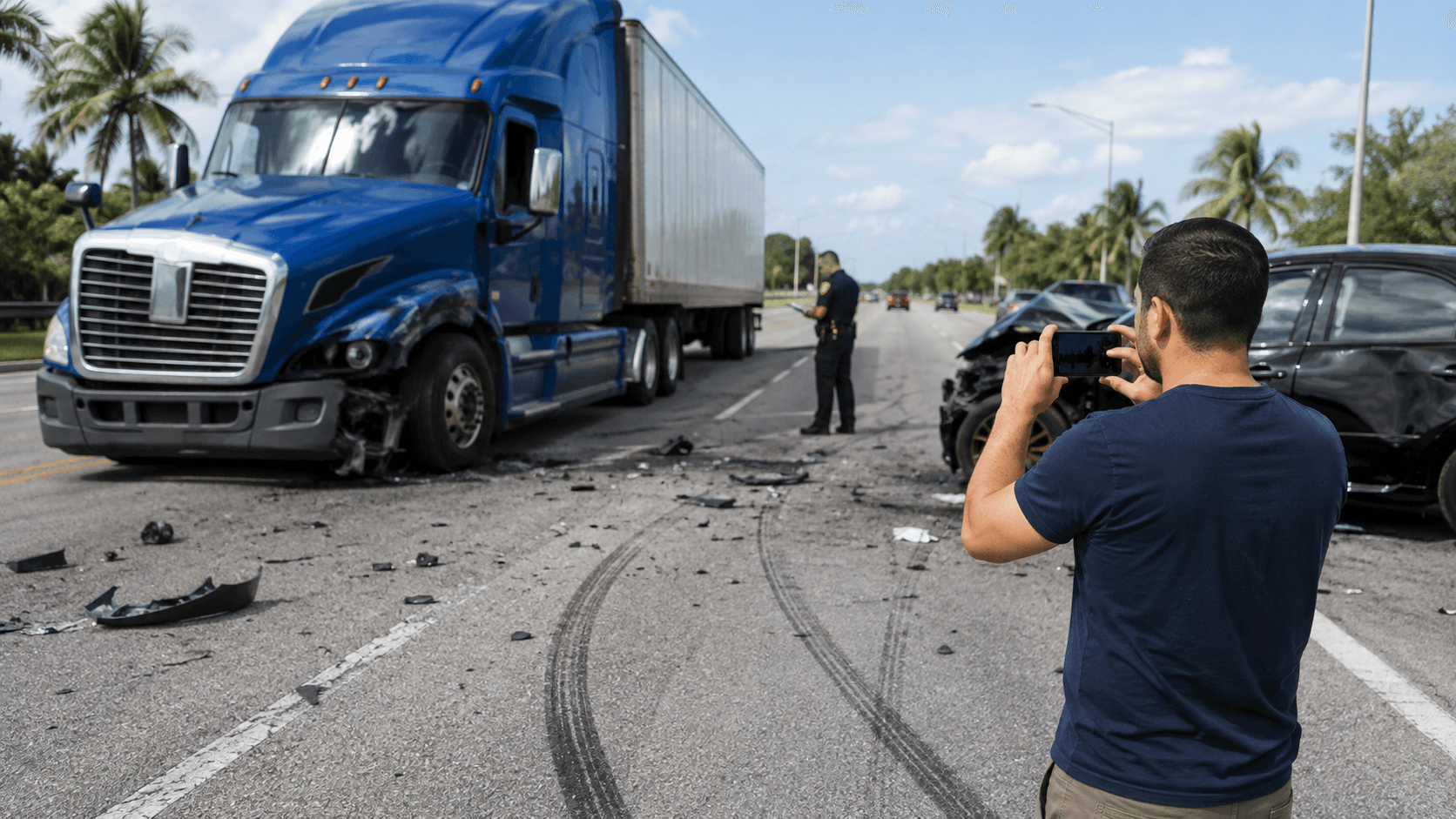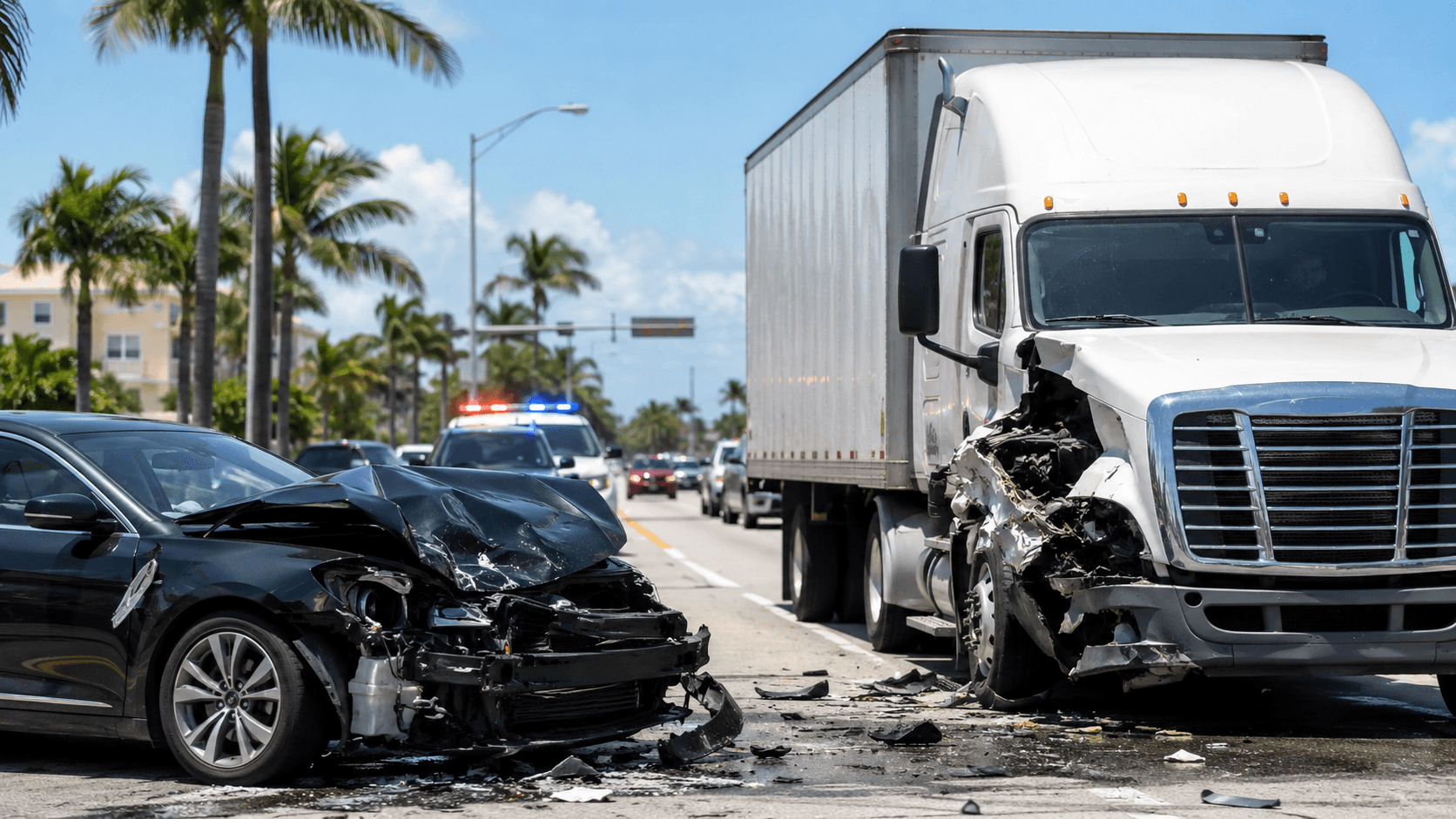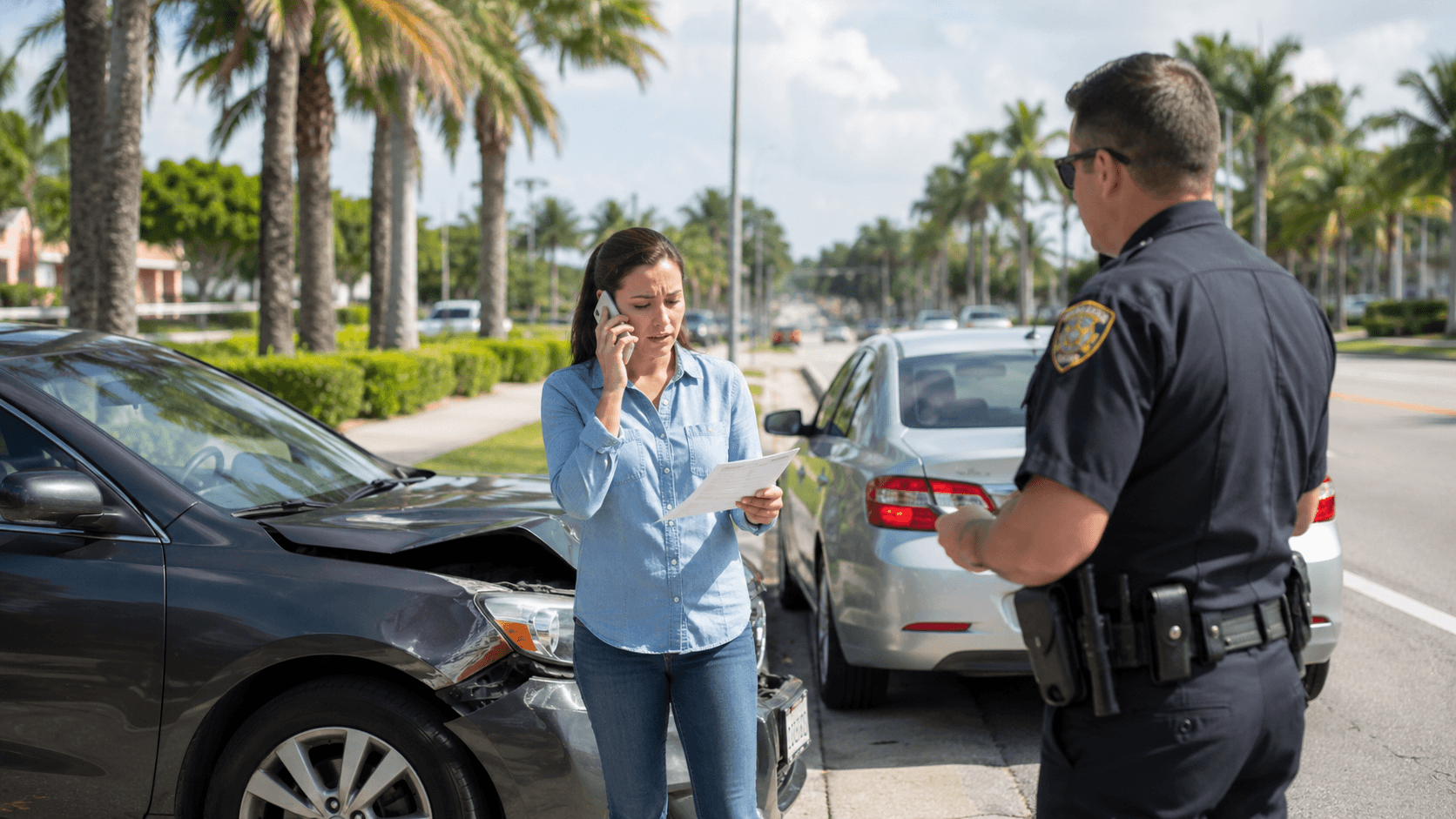
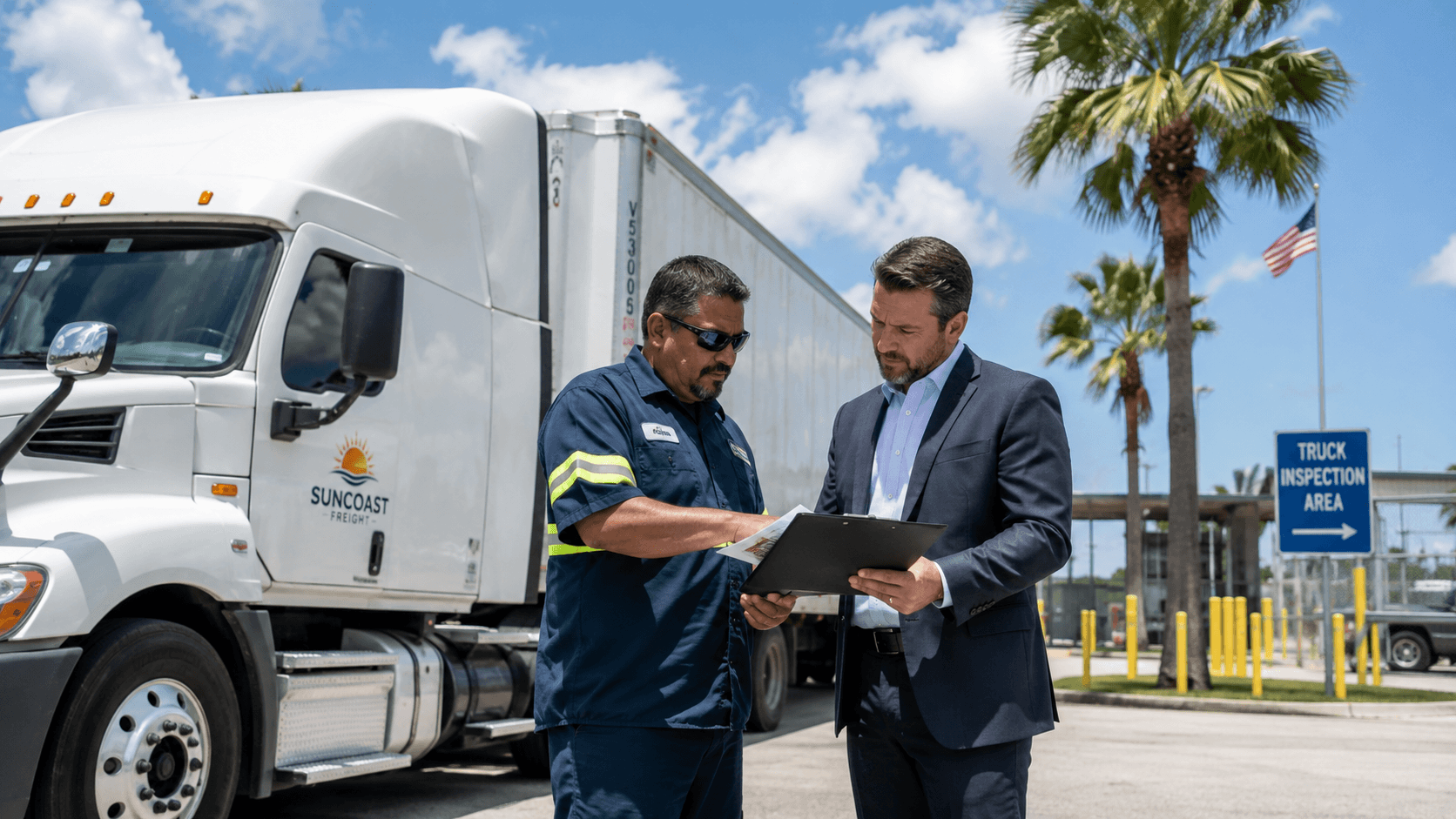
When a commercial truck causes a serious crash, people often assume the driver is the only person responsible. Sometimes the driver's conduct is central, but commercial trucking cases can involve several businesses, policies, and decisions that happened long before the collision.
Liability depends on what caused the crash and who had control over the conduct, vehicle, cargo, route, or maintenance issue involved. That is why these cases require a fact-specific investigation rather than a quick assumption based only on the driver at the scene.
1. The Truck Driver
The truck driver may be responsible if unsafe driving contributed to the crash. Examples may include distraction, fatigue, speeding, unsafe lane changes, following too closely, impaired driving, failing to yield, or failing to maintain control.
Driver conduct can be evaluated through the crash report, witness statements, dash camera footage, phone records where appropriate, electronic data, logs, and the driver's own statements. Even when the driver appears responsible, the investigation should not stop there.
2. The Trucking Company or Motor Carrier
The trucking company may be part of the liability analysis if it employed the driver, controlled the vehicle, dispatched the load, maintained the truck, or created pressure that contributed to unsafe operation. Hiring, training, supervision, scheduling, and compliance practices may all matter.
A carrier may also be responsible when its own policies or failures contributed to the crash. For example, a company that ignores safety problems or sends unsafe equipment onto the road may become part of the claim.
3. The Vehicle Owner
Sometimes the company operating the truck is not the same entity that owns the tractor or trailer. Ownership can matter because the owner may have responsibilities related to inspection, maintenance, leasing, or safe operation.
Registration, lease agreements, carrier markings, insurance documents, and post-crash records can help determine who owned what and who had control over the vehicle at the time.
4. Maintenance or Repair Providers
A maintenance company or repair shop may be relevant if mechanical failure contributed to the crash. Brake problems, tire failure, steering issues, lighting defects, or improperly completed repairs can all create questions about whether work was performed safely.
These claims require careful review because not every mechanical issue creates third-party liability. Records, inspections, expert evaluation, and the timing of repairs usually matter.
Free Consultation
Have questions about your next step?
A short conversation can help you understand what records matter, how insurance may respond, and whether legal help makes sense for your situation.
5. Cargo Loaders or Shippers
Cargo can affect the way a commercial truck handles. Improper weight distribution, unsecured loads, overloaded trailers, or cargo that shifts during transport can contribute to loss of control, rollovers, jackknifes, or spilled debris.
If cargo handling appears relevant, bills of lading, loading records, scale tickets, photographs, and witness accounts may help determine whether a shipper, loader, or cargo company should be reviewed.
6. Brokers, Contractors, and Other Companies
Some trucking operations involve brokers, contractors, subcontractors, and multiple entities involved in arranging the shipment. Whether those companies share responsibility depends on their role and level of control.
These issues can be complex. A company that merely arranged transportation may be treated differently from one that controlled safety decisions, selected an unsafe carrier, or had direct involvement in the work.
7. Other Drivers or Roadway Factors
Not every truck crash is caused only by the truck driver or trucking company. Another vehicle may cut off the truck, a road hazard may contribute, or a separate driver may start a chain reaction.
A complete investigation should evaluate all vehicles, roadway conditions, visibility, traffic controls, and witness accounts. Liability may be shared among more than one party.
8. Why Insurance Layers Matter
Commercial truck cases may involve larger or more complicated insurance structures than ordinary vehicle accidents. There may be policies for the driver, carrier, tractor, trailer, cargo, employer, or other involved entities.
Identifying insurance is not the same as proving liability, but it is part of understanding how the claim may move forward and which parties need to be notified.
9. What Evidence Helps Identify Responsible Parties?
Important records may include police reports, driver logs, electronic vehicle data, maintenance records, hiring and training files, dispatch documents, cargo records, insurance policies, photographs, witness statements, and video footage.
Much of this evidence is not in the injured person's hands immediately after the crash. Early preservation can help prevent important records from disappearing.
Talk to Pipas Law Group
Have questions after an accident?
The Pipas Law Group team can review the details, explain what may matter, and help you think through your next step.