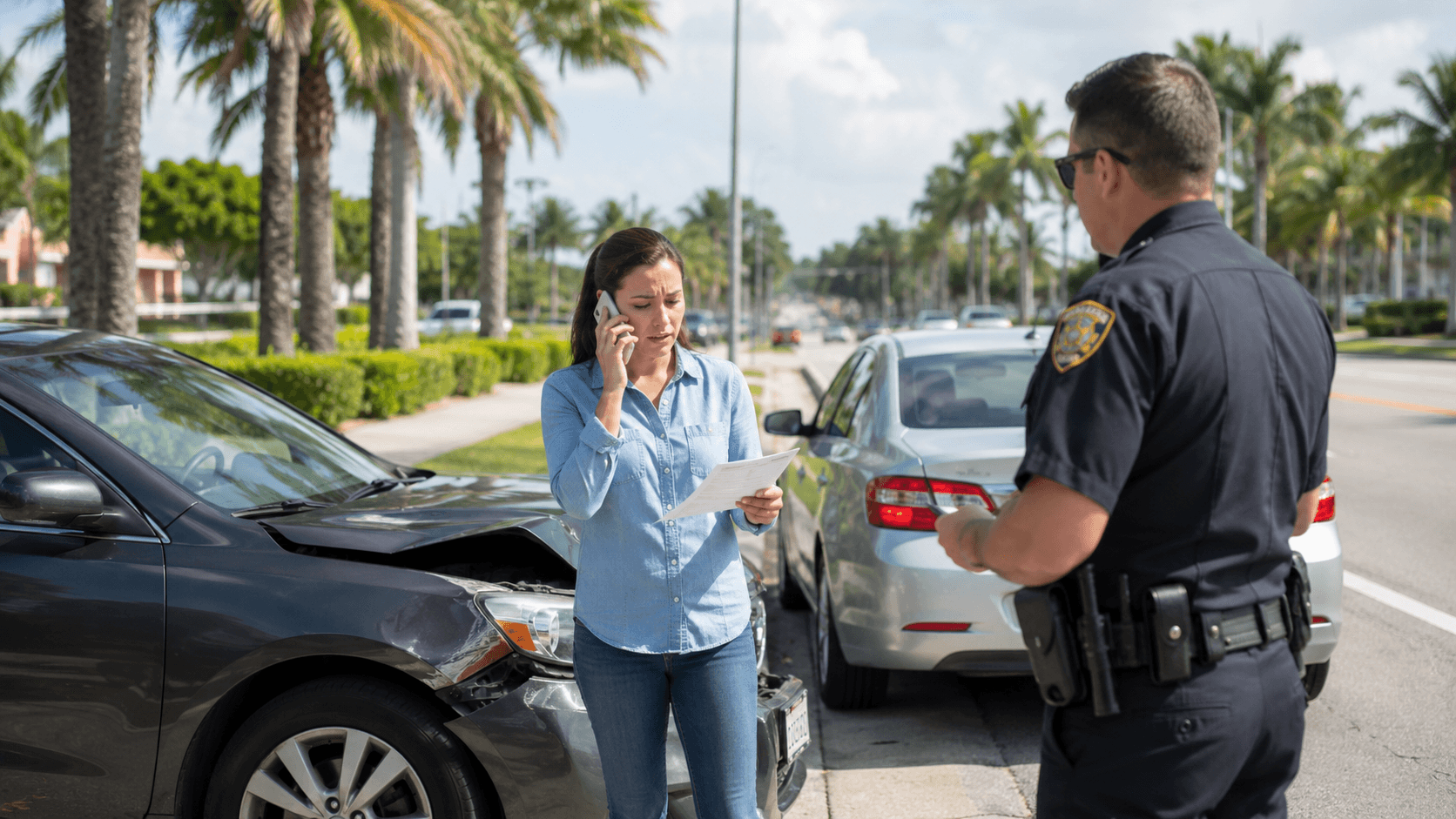

A serious car accident can create financial pressure almost immediately. Medical bills may get the most attention, but missed work can become just as stressful when rent, mortgage payments, utilities, and everyday expenses continue.
Lost wages are not usually accepted just because an injured person says they missed work. Insurers often want records from doctors, employers, payroll systems, tax filings, or business documents.
The practical work starts with records: doctor restrictions, missed shifts, payroll history, tax documents, and a clear explanation of how the accident changed your ability to earn.
What counts as lost wages after a car accident?
Lost wages generally refer to the money you would have earned from work if the accident had not happened. In a personal injury context, this usually includes time missed from the date of the crash forward, as long as that missed time is tied to the injuries, treatment, or medically necessary recovery period.
In some cases, the issue goes beyond just hourly wages or salary. Depending on the job, lost income may also involve missed overtime, bonuses, commissions, contract work, or income opportunities that were reasonably expected but lost because of the injuries.
The three most common ways people try to recover lost wages
Many Florida accident victims have more than one possible path for recovering lost income. First, some may look to their own insurance coverage, especially PIP. Second, if another driver was at fault and there is bodily injury coverage available, a claim may be made against that driver’s insurer. Third, in more serious cases, a lawsuit may become part of the path to full recovery.
The best path often depends on the severity of the injuries, the insurance policies involved, and how quickly the case is being documented. That is one reason it helps to get clear on the strategy early rather than assuming the insurers will automatically sort it out for you.
How PIP may help with lost wages in Florida
Florida PIP coverage is often associated with medical bills, but it may also help with a portion of lost wages. That said, many people are surprised to learn that PIP does not usually cover the full amount of lost income.
In many cases, PIP may cover up to 60 percent of provable lost wages, subject to the overall available benefits and whatever else the PIP funds are already being used for. If your injuries were serious enough to generate emergency treatment or substantial follow-up care, a large part of the available PIP benefits may be consumed by medical bills before wage loss is even addressed.
Watch: How to Claim Lost Wages After a Car Accident
Why documentation matters so much
Lost wage claims are heavily document-driven. Insurance companies generally want to see proof of what you earned, how much time you missed, and why the time away from work was related to the accident. Without solid support, even a valid wage loss claim may be delayed, reduced, or disputed.
Useful documents may include pay stubs, direct deposit records, tax returns, work schedules, time sheets, disability slips, doctor restrictions, letters from employers, and written confirmation of missed shifts or reduced duties. The more consistent the paper trail, the easier it becomes to explain the loss clearly.
Can the at-fault driver’s insurance cover lost wages?
Yes, in many cases lost wages may also be part of a claim against the at-fault driver, assuming there is bodily injury liability coverage available and the facts support the claim. This often becomes especially important when the wage loss exceeds what PIP can cover.
That said, the other driver’s insurer may not simply accept your number at face value. They may question how long you were truly unable to work, whether your medical restrictions were necessary, or whether other factors affected your income. That is why good records and a consistent treatment history can make a major difference.
Free Consultation
Have questions about your next step?
A short conversation can help you understand what records matter, how insurance may respond, and whether legal help makes sense for your situation.
What if the at-fault driver has no insurance or not enough insurance?
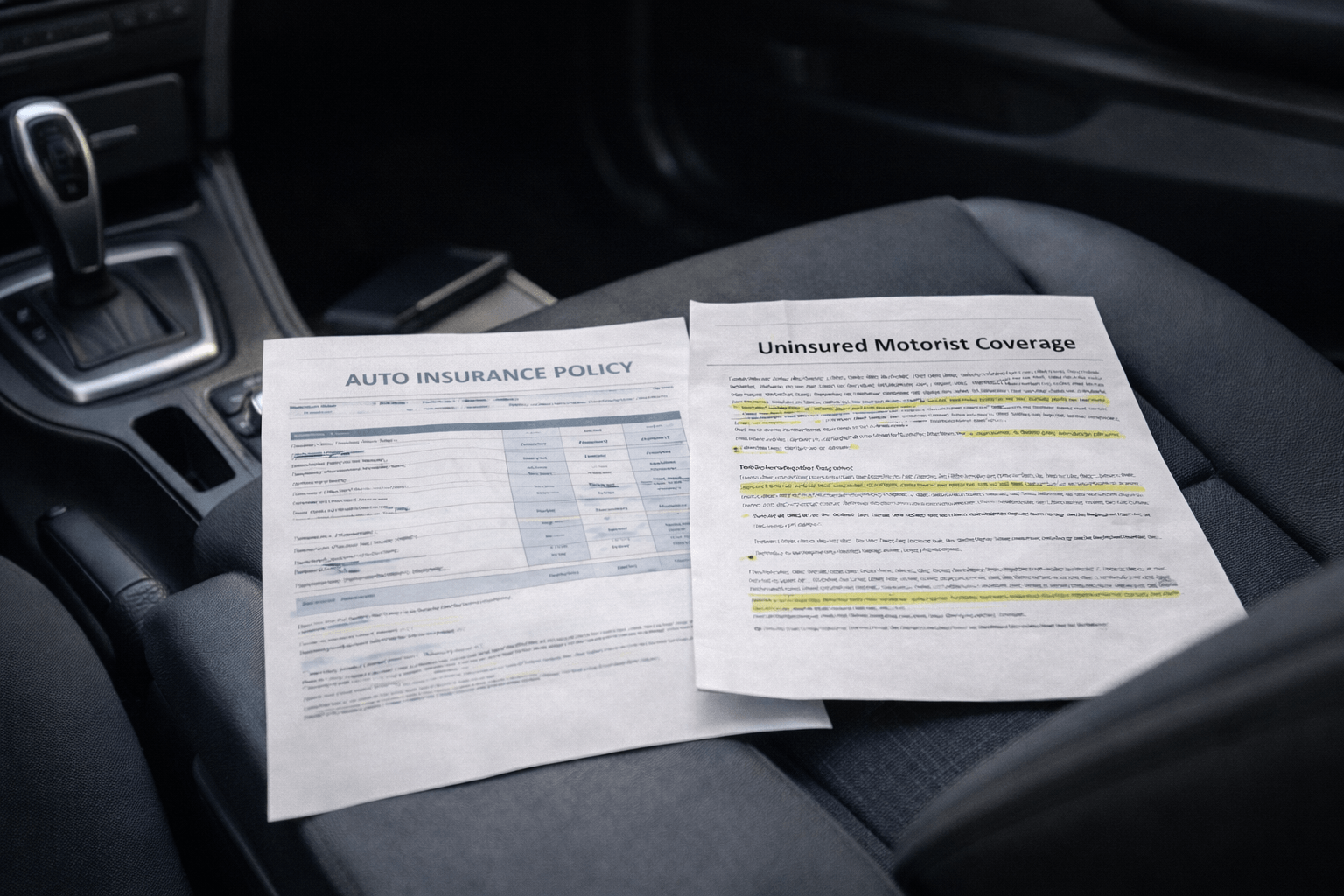
When the at-fault driver has no meaningful bodily injury coverage, uninsured or underinsured motorist coverage may become important. If that coverage is available under your own policy, it may provide another path to recovering lost income tied to the accident.
This is one reason UM coverage can be valuable in Florida. Many people do not review it closely until they are dealing with a crash involving a driver who lacks enough insurance to cover basic losses.
How do you prove you really missed work because of the accident?
The strongest proof usually comes from a combination of medical documentation and employment records. A doctor’s restrictions, disability note, or work status report can show why you should not have been working during a certain period. Employer records can then show what work you missed and how much income would likely have been earned.
This is especially important when the missed time is not obvious. If you are salaried, self-employed, commission-based, or working reduced hours instead of missing work entirely, a strong explanation backed by records becomes even more important.
How to calculate lost wages
In the simplest cases, lost wages are often calculated by taking the person’s regular hourly wage and multiplying it by the hours missed. But many real-world cases are more complicated than that. Overtime, commissions, self-employment income, fluctuating schedules, and reduced work capacity can all affect the calculation.
The main point is that wage loss should not be guessed. It should be built from records. The more precise and grounded the calculation is, the stronger the claim tends to be.
Why early strategy matters
One of the easiest mistakes is waiting too long to think about lost wages. By the time people realize how much income they have missed, records may be harder to gather, employer memory may be less precise, and the claim may already be developing without a clean wage-loss strategy.
Getting organized early can help preserve the best version of the claim. It may also help you communicate with your own insurer before PIP funds are exhausted and avoid preventable misunderstandings about what you are trying to recover.
Talk to Pipas Law Group about your lost wage claim
If a car accident has caused you to miss work, you may have options to pursue compensation for the income you lost. But these claims usually work best when they are documented carefully and handled with a clear strategy from the beginning.
Pipas Law Group can help you understand what insurance may apply, what records matter most, and how to position your case so your wage-loss claim is supported rather than left vulnerable to avoidable disputes.
Frequently Asked Questions
How to Claim Lost Wages After a Car Accident and How to Prepare for It FAQs
Does PIP cover lost wages in Florida?
In many cases, yes, but generally only a portion of provable lost wages and only up to the available benefits under the policy. PIP is often also being used to pay medical bills, which can reduce how much remains for wage loss.
What proof do I need for a lost wage claim?
Common proof includes pay stubs, employer letters, work schedules, tax records, disability slips, doctor restrictions, and any documentation showing the dates and amount of work missed because of the accident.
Can I recover lost wages from the at-fault driver?
Often yes, if the at-fault driver has bodily injury coverage or if a lawsuit becomes necessary in a more serious case. But the claim still needs strong support and may be disputed by the insurer.
Can self-employed people claim lost wages too?
Yes, but those claims often require more detailed proof such as tax returns, invoices, contracts, business records, and evidence showing how the accident affected the person’s ability to work or earn.
Talk to Pipas Law Group
Have questions after an accident?
The Pipas Law Group team can review the details, explain what may matter, and help you think through your next step.