
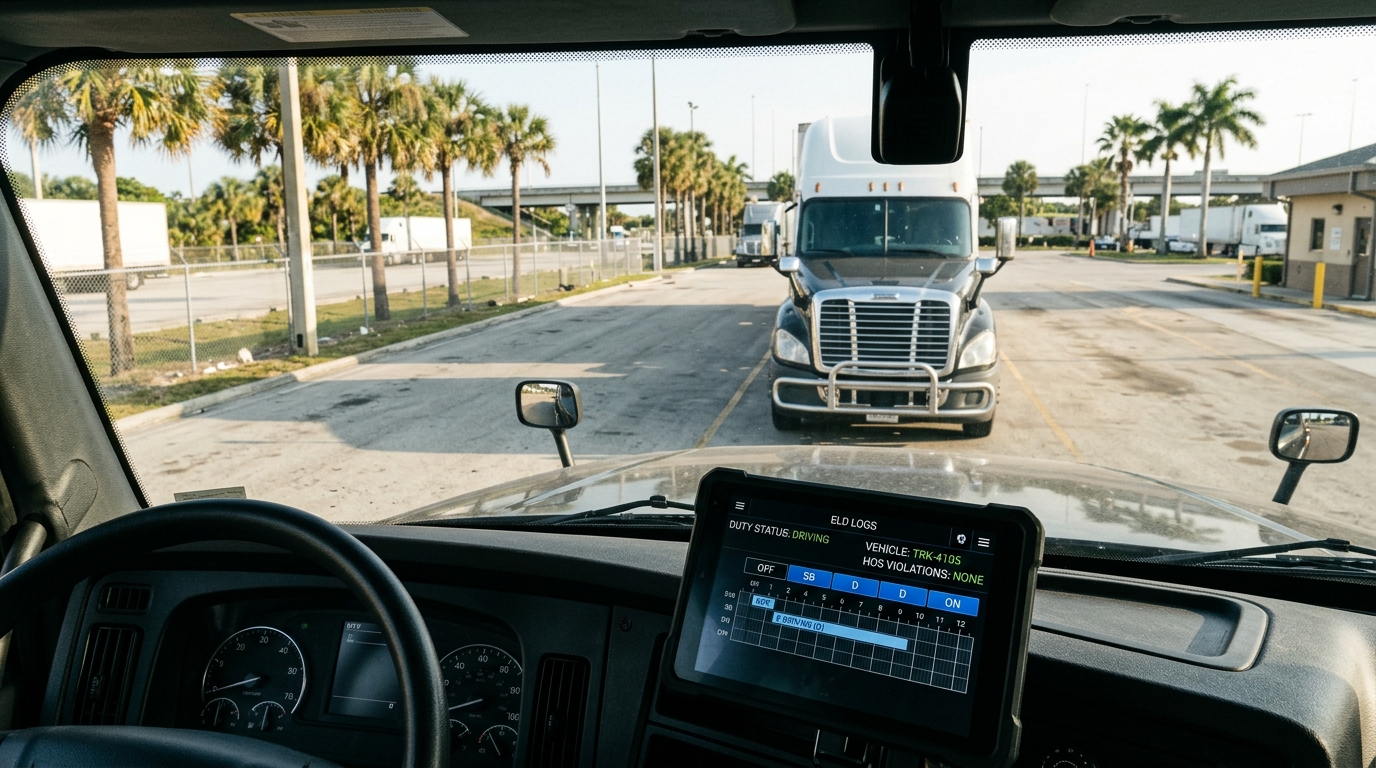
A collision involving an 18-wheeler can involve several separate legal questions: who caused the crash, who controlled the driver’s work, who maintained the truck, and which companies had duties connected to the trip.
Commercial carriers may hold dispatch records, inspection reports, maintenance histories, training files, and electronic data unavailable in a typical passenger-car case. Early investigation matters because different sources tell different parts of the story.
Why a truck crash is not simply a larger car accident
Depending on the evidence, potentially responsible parties may include the driver, motor carrier, maintenance contractor, and other entities. A broker is not automatically liable merely because it arranged a load; its role and applicable law require case-specific analysis.
Commercial carriers operate under strict federal motor carrier safety regulations (FMCSRs) governed by the Federal Motor Carrier Safety Administration (FMCSA), introducing complex compliance standards not found in everyday car crashes.
Key Point
Truck crashes routinely involve multiple corporate defendants, tiered insurance policies, and federal safety regulations under Title 49 of the Code of Federal Regulations.
The evidence clock: ELDs, ECMs, and surveillance
An electronic logging device (ELD) primarily records driving-time and duty-status information. Under 49 CFR § 395.8(k) and related FMCSA guidance, carriers generally must retain records of duty status and supporting documents for six months.
An engine control module (ECM), sometimes called a "black box," may contain vehicle-operation information, but the exact data and retention behavior depend on the truck and system.
ELD and ECM records are not interchangeable. A reconstruction may also require dash-camera video, GPS/telematics, dispatch messages, driver qualification files, bills of lading, maintenance records, police reports, photographs, and witness statements.
Electronic systems can overwrite information or become inaccessible after repairs, downloads, reassignment, or disposal. The fact that one category of records has a regulatory retention period does not mean every relevant file will remain available that long.
Evidence Tip
ECM black box data can be overwritten the moment a truck is driven again, repaired, or rebooted. Immediate legal intervention is critical to preserve crash telemetry.
Free Consultation
Have questions about your next step?
A short conversation can help you understand what records matter, how insurance may respond, and whether legal help makes sense for your situation.
Why an immediate preservation - or spoliation - letter matters
A formal preservation notice identifies the crash, the vehicles and custodians involved, and specific evidence that should not be deleted, altered, or overwritten.
It may request ELD data and audit trails, ECM downloads, video, driver communications, inspection records, and relevant insurance information.
Sending a letter does not guarantee evidence will be preserved or automatically establish sanctions if material is lost. Its value is in promptly identifying relevant information and supporting further legal action when necessary. A lawyer may also consider inspection protocols, expert downloads, and court relief based on the circumstances.
How commercial insurers try to narrow the claim
Commercial policy adjusters may request broad statements before records are obtained, focus only on the driver while ignoring potential carrier negligence, argue that a preexisting condition explains injuries, or offer a fast release before long-term medical needs are clear.
Claims should be evaluated against the full evidence, not just the crash report. Florida Statutes § 95.11(5)(a) generally sets a two-year filing period for negligence actions arising under current law, but accrual dates, transitional rules, and exceptions can affect individual cases. Do not wait for the deadline to begin evidence preservation.
A focused investigation by Pipas Law Group
A trucking investigation may coordinate accident reconstruction, electronic data preservation, carrier safety records, medical causation analysis, and identification of available insurance policies. The goal is to determine what happened and who may legally bear responsibility, without assuming liability before the evidence is reviewed.
If you or a family member was injured in a commercial truck crash in Florida, contact Pipas Law Group for a free consultation. Early action can help protect time-sensitive evidence and your ability to pursue a claim.
Frequently Asked Questions
Hit by a Semi-Truck in Florida? Why Black Box Data and ELD Logs Matter FAQs
What is the difference between an ELD and an ECM black box?
An ELD (Electronic Logging Device) records driver hours of service and driving duty status to enforce federal rest break regulations. An ECM (Engine Control Module) records vehicle telematics such as speed, RPMs, braking, and throttle in the moments before an impact.
How long do trucking companies have to keep black box and ELD data?
Under 49 CFR § 395.8(k), motor carriers are only legally required to retain ELD records for six months. However, ECM event data can be overwritten much sooner if the truck is returned to service.
What is a spoliation letter in a commercial truck accident case?
A spoliation letter is a formal legal notice demanding that the trucking company and insurer preserve all digital files, ECM downloads, dash-cam videos, maintenance logs, and Qualcomm messages related to the crash.
Can the motor carrier company be held liable in addition to the truck driver?
Yes. Under vicarious liability and direct negligence doctrines (such as negligent hiring, inadequate maintenance, or forcing drivers to exceed hours-of-service limits), the motor carrier can be named as a defendant.
Talk to Pipas Law Group
Have questions after an accident?
The Pipas Law Group team can review the details, explain what may matter, and help you think through your next step.