
Many accidents involve more than bad luck. In a personal injury case, the injured person often has to show that someone failed to act with reasonable care and that the failure caused real harm.
That concept is negligence. Proving it usually requires more than saying someone was careless. The case needs facts, records, and a clear connection between the unsafe conduct and the injury.
Step 1: Contact an attorney and preserve evidence
Not every case requires immediate litigation, but early legal guidance can help preserve the evidence needed to prove negligence properly. Photos, witness names, incident reports, medical records, and scene details are often strongest early rather than later.
An attorney can help identify what the case actually needs rather than leaving you to guess.
Step 2: Determine the duty of care
A negligence case usually begins with duty. Duty of care refers to the responsibility a person, business, driver, property owner, or employer owed under the circumstances.
Drivers must operate vehicles safely. Businesses must maintain reasonably safe premises. Employers must avoid exposing workers to unreasonable risk. The exact duty depends on the setting.
Free Consultation
Have questions about your next step?
A short conversation can help you understand what records matter, how insurance may respond, and whether legal help makes sense for your situation.
Step 3: Show a breach of that duty
Once the duty is identified, the next question is whether that duty was breached. In other words, what did the person or entity do wrong or fail to do?
This may involve witness statements, photographs, records, surveillance footage, policy violations, maintenance failures, or other proof showing the conduct fell below reasonable standards.
Step 4: Connect the breach to the injury
Causation is where many cases become more contested. It is not enough to show a mistake happened. The case also has to connect that mistake to the actual injury or loss being claimed.
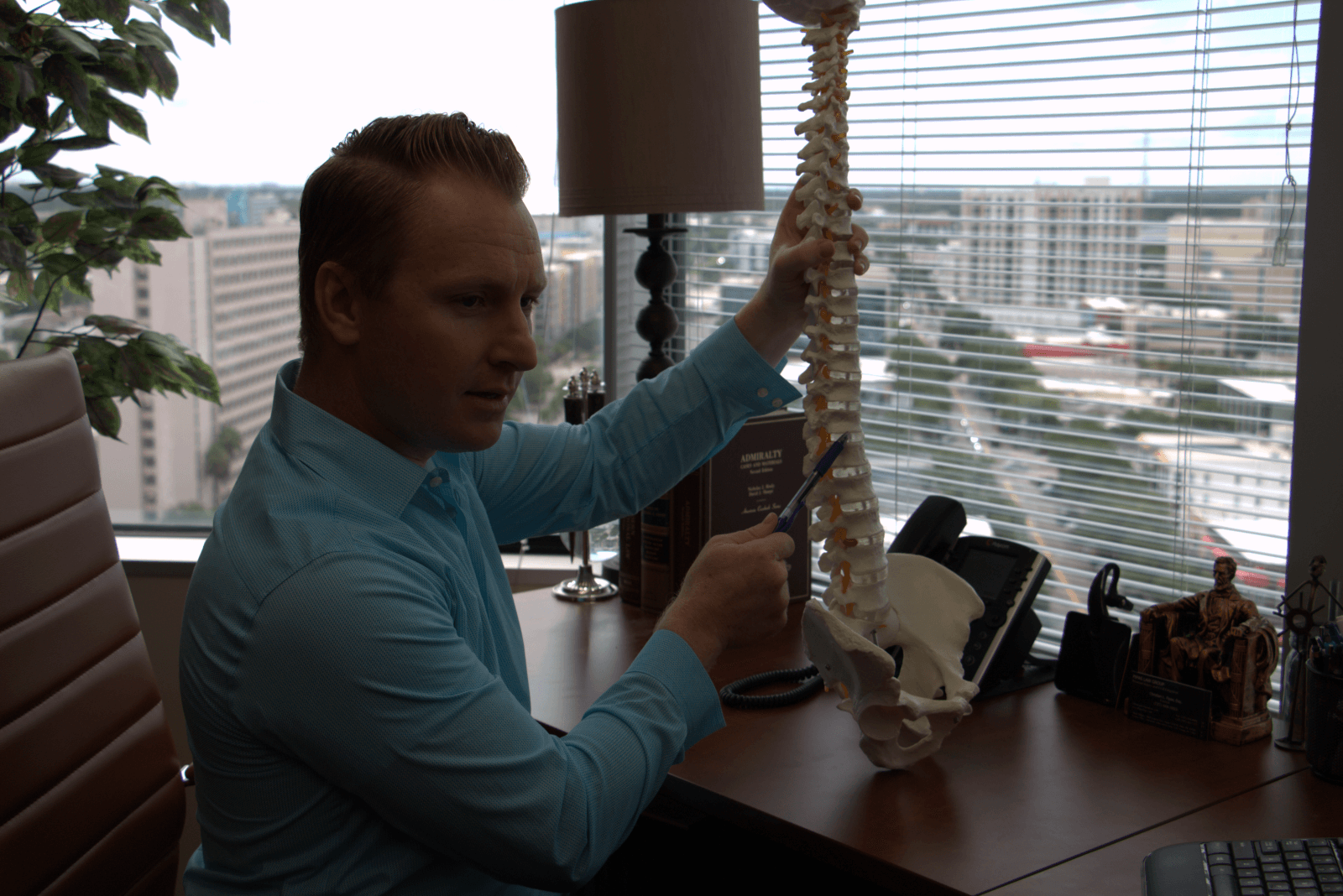
This is where medical records, timing, expert opinions, and consistent accident evidence often become especially important.
Step 5: Prove damages
A negligence claim also needs actual damages. These may include medical bills, lost wages, pain and suffering, future care costs, disability, or other measurable harm.
Without provable damages, even a clear breach of duty may not become a viable personal injury case. That is why records and documentation matter from the beginning.
Frequently Asked Questions
5 Steps to Proving Negligence in Florida FAQs
What are the main parts of a negligence case?
Most negligence cases focus on duty of care, breach of duty, causation, and damages, all supported by evidence.
Is proving negligence just about showing the other person made a mistake?
No. The case must also show that the mistake legally caused the injuries and that real damages resulted from it.
Why is evidence so important in negligence cases?
Because negligence has to be proven through facts, documents, witness testimony, records, and sometimes expert support rather than assumptions.
Should I talk to a lawyer if I think negligence caused my injury?
Often yes, especially if liability is disputed or the injuries are significant enough that compensation may be important.
Talk to Pipas Law Group
Have questions after an accident?
The Pipas Law Group team can review the details, explain what may matter, and help you think through your next step.