
The period after an accident is often confusing, stressful, and full of moving parts. That is exactly why people make avoidable mistakes. They are not careless. They are hurt, overwhelmed, and trying to navigate insurance, treatment, work disruption, and legal questions at the same time.
The good news is that many common case problems can be reduced if you know what to watch for early. This article highlights six mistakes that often weaken personal injury claims and explains why they matter.
1. Missing deadlines and important timeframes
Personal injury cases involve more than just the final lawsuit deadline. Treatment timing, insurance notice requirements, records collection, and claim strategy all work better when handled promptly rather than left to drift.
Waiting too long can mean lost evidence, weaker records, and unnecessary stress when the case later becomes more serious than you first expected.
2. Leaving out important information
People sometimes think leaving out details will simplify things. In reality, incomplete information can create larger problems. Medical history, benefits questions, prior treatment, and coverage issues often need to be addressed thoughtfully, not ignored.
What matters is not oversharing carelessly with adjusters. It is making sure the right people helping your case have the right facts.
3. Failing to get proper work restrictions
If you are missing work or working under restrictions, that should be documented clearly. Lost wage claims are much harder to prove when there is no medical support showing why the work interruption happened.
Disability slips, work notes, and return-to-work releases often matter more than people realize.
Free Consultation
Have questions about your next step?
A short conversation can help you understand what records matter, how insurance may respond, and whether legal help makes sense for your situation.
4. Under-documenting treatment and daily impact
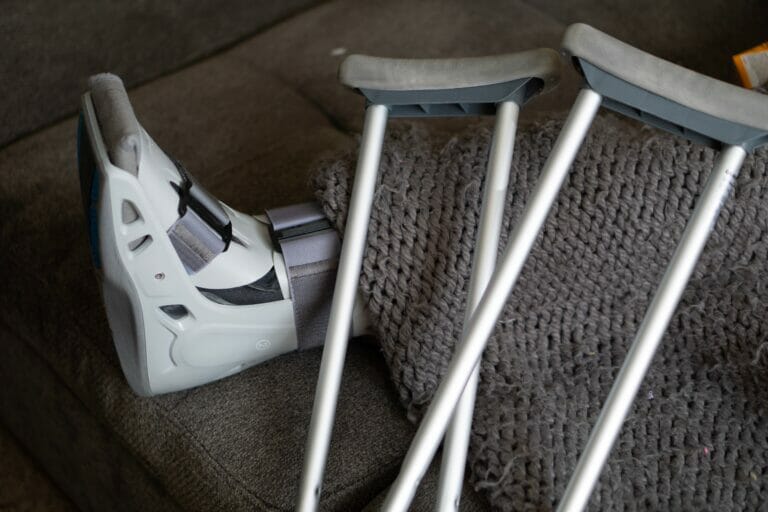
Documentation is one of the strongest parts of any injury claim. Medications, braces, mobility devices, photos of visible injuries, receipts, and provider records all help tell the real story of what recovery looked like.
When these details are not preserved, the case can start to feel less concrete to the people evaluating it later.
5. Downplaying symptoms to doctors
Doctors can only document what they are told and what they observe. If you minimize pain, skip complaints, or fail to describe how the injury affects sleep, work, mobility, and daily life, the records may understate the real impact of the injury.
That does not help anyone. Honest and complete reporting is usually the best way to protect both your health and your claim.
6. Trying to handle a complicated case alone
Not every accident requires immediate legal representation, but many cases become more complicated than people expect. Insurance issues, wage loss, treatment coordination, liability disputes, and documentation problems can all grow quickly.
Trying to handle everything alone may save time in the short term, but it can also lead to mistakes that reduce claim value later.
Frequently Asked Questions
6 Biggest Mistakes to Avoid in a Personal Injury Case FAQs
What is one of the biggest mistakes after an accident?
One of the biggest mistakes is waiting too long to get organized. Delays can affect treatment records, deadlines, evidence, and overall claim strength.
Why do work notes matter so much?
Because they help connect missed work or restricted duty directly to the injuries, which is critical for proving lost wages.
Can poor documentation really hurt a case?
Yes. Weak documentation can make injuries, expenses, and daily limitations much harder to prove later.
Should I talk to a lawyer early if I am unsure?
Often yes, especially if the injuries are significant, the insurance process is getting confusing, or you are already missing work.
Talk to Pipas Law Group
Have questions after an accident?
The Pipas Law Group team can review the details, explain what may matter, and help you think through your next step.