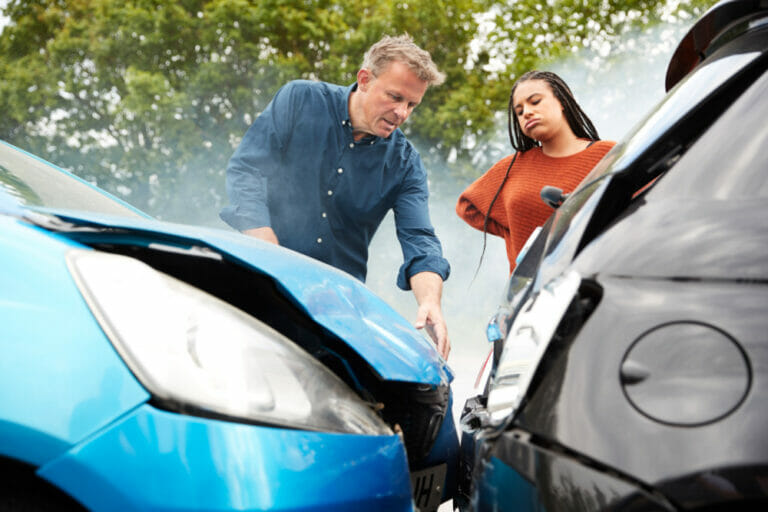
After a car accident, most people are immediately focused on safety, injuries, police reports, and insurance calls. But once the immediate shock starts to wear off, another concern usually shows up quickly: what is going to happen to the vehicle?
Repair costs can be stressful on their own. Add in rental car needs, insurance delays, deductibles, and uncertainty about fault, and property damage can become one of the most frustrating parts of the aftermath.
Do at-fault drivers always pay for car repairs?
Not always in the simple, immediate way people expect. If the other driver caused the accident, their property damage coverage may ultimately be responsible. But that does not necessarily mean the money appears right away or that every issue gets resolved without friction.
In practice, the path to repairs often depends on what coverage exists, how fault is being evaluated, whether the at-fault driver is insured, and whether you decide to use your own policy to move things faster.
What if you caused the accident?
If you caused the accident and need to repair your own car, the answer usually depends on your own policy. In many situations, you may need collision coverage or another applicable form of coverage under your own insurer. Otherwise, you may be facing out-of-pocket repair costs.
That is one reason it is important to understand your own policy before an accident happens. Many people do not realize the difference between liability coverage and coverage that actually helps repair their own vehicle.
Florida property damage coverage basics
Florida drivers are required to carry property damage liability coverage, and that coverage can become important when a driver causes damage to another person’s vehicle or property.
But minimum required coverage and real-world repair costs are not always the same thing. Serious vehicle damage can exceed what is available, and that can leave accident victims dealing with delays, partial payments, or difficult decisions about whether to use their own insurance first.
What if the at-fault driver has no insurance?
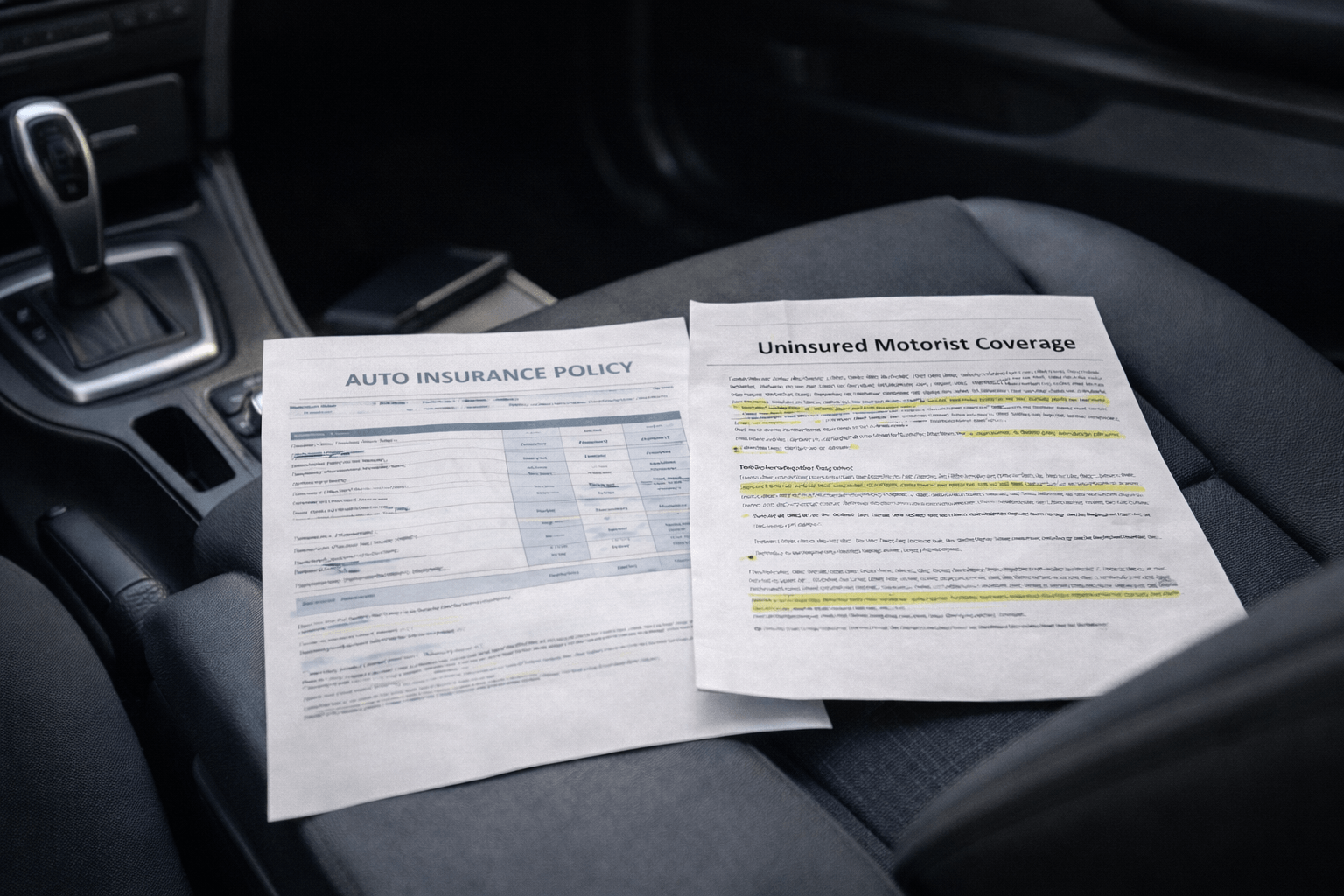
This is one of the most frustrating scenarios. If the driver who hit you has no insurance, you may still have options, but they are often less straightforward. In many cases, people end up looking first to their own policy if the needed coverage exists.
Technically, a lawsuit against the at-fault driver may be possible. But in real life, that does not always mean it is practical. Uninsured drivers often do not have significant assets, and a lawsuit can take time and still fail to produce meaningful recovery.
Free Consultation
Have questions about your next step?
A short conversation can help you understand what records matter, how insurance may respond, and whether legal help makes sense for your situation.
What happens if you use your own insurance?
When you use your own policy to get the repair process moving, you may still have to pay a deductible depending on the coverage involved. That can feel unfair, especially when another driver caused the crash.
Still, some people choose that route because it can be faster than waiting for the other insurer to fully accept fault and process the property damage claim. Speed and convenience sometimes matter a lot when you need your car back on the road quickly.
What if the insurance company gives you trouble?
Property damage claims can become unexpectedly frustrating. Insurers may delay inspections, dispute repair estimates, push lower valuations, question whether damage was accident-related, or create rental car issues while the vehicle sits in the shop.
If that starts happening, it may be time to step back and get legal guidance. Even when the dispute seems like it is only about the car, the financial inconvenience can snowball quickly if you are without transportation for an extended period.
What about a rental car while repairs are being made?
Rental car issues often create a second layer of stress. Some policies cover rental expenses more clearly than others, and some insurers resist paying for the full rental period or a vehicle that is truly comparable to what the person normally drives.
That can be a major practical problem. People still have to get to work, medical appointments, school pickups, and everyday errands. A repair delay can easily turn into a transportation crisis if rental benefits are limited or denied.
When should you talk to a lawyer about a property damage claim?
It may make sense to speak with a lawyer when fault is being unfairly disputed, the other driver lacks insurance, your insurer is creating unreasonable delays, rental issues are escalating, or the claim is becoming more expensive and disruptive than you expected.
A lawyer may also help you assess whether pushing a claim against another driver personally makes any practical sense or whether the better route is working through available insurance options as efficiently as possible.
Talk to Pipas Law Group about your options
A car accident can create enough disruption without forcing you to fight alone over repair costs, deductibles, and rental car coverage. If you are running into problems with your property damage claim, it may help to get legal guidance before the process drags on even further.
Pipas Law Group can review the insurance issues, explain the practical next steps, and help you decide how to move the claim forward.
Frequently Asked Questions
Who Pays for Car Repairs After an Accident in Florida? FAQs
Who pays for my car repairs if the other driver caused the accident?
Often the at-fault driver’s property damage coverage may be responsible, but timing and payment can still depend on fault decisions, policy limits, and how the insurers handle the claim.
What if the at-fault driver has no insurance?
You may need to look to your own policy if applicable. A lawsuit may technically be possible, but it is not always practical or likely to result in real recovery.
Will I have to pay a deductible if I use my own insurance?
In many situations, yes. That is one reason people often feel frustrated even when they are not the one who caused the accident.
Does insurance have to cover my rental car too?
Not always automatically. Rental coverage depends heavily on the specific policy and how the property damage claim is being handled.
Talk to Pipas Law Group
Have questions after an accident?
The Pipas Law Group team can review the details, explain what may matter, and help you think through your next step.