
A car accident can turn an ordinary day into confusion in a matter of seconds. People are often trying to assess injuries, help passengers, deal with traffic, and make sense of what just happened all at the same time.
The checklist below is meant for that first stretch after a Florida crash, when small choices can make a real difference. Photographs, medical timing, witness names, insurance notices, and careful communication often become much harder to fix later.
Use it as a practical guide, then get case-specific legal advice if injuries, disputed fault, uninsured drivers, or insurance pressure become part of the situation.
1. Make safety the first priority
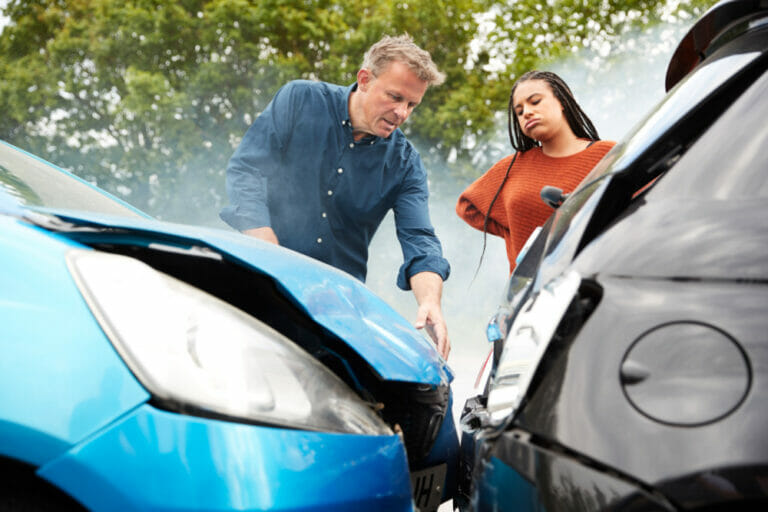
If the vehicles can be moved safely and doing so will reduce danger, the first priority is making sure everyone is out of immediate harm. That may mean moving to a safer area, turning on hazard lights, or calling for emergency assistance right away if anyone appears seriously hurt.
Do not assume that because everyone is standing, everyone is fine. Accident shock can hide symptoms in the beginning, and some injuries become more obvious only after the adrenaline starts to wear off.
2. Call 911 or law enforcement when appropriate
If anyone is injured, if the crash is serious, if a vehicle cannot be driven, or if there is any uncertainty about what happened, calling 911 is usually one of the most important steps you can take. A police response can help create documentation that becomes valuable later.
Even in crashes that seem minor at first, an official report can help preserve key facts about location, vehicles, witnesses, and the initial observations made at the scene.
3. Seek medical attention as soon as possible
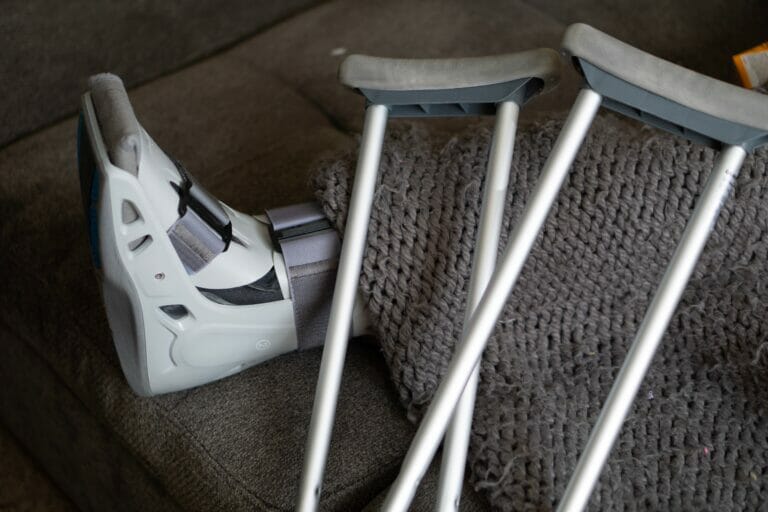
Prompt medical attention is important not only for your health, but also because untreated or delayed injuries can create avoidable problems later. Pain in the neck, back, head, or abdomen may not feel severe in the first hour and may still turn out to be significant.
In Florida cases especially, timing around treatment can matter. If you wait too long, insurers may later argue that your injuries were not serious or not connected to the accident the way you claim.
4. Exchange basic information, but be careful with what you say
You will generally want to collect names, contact details, insurance information, vehicle registration details, and license plate numbers from the other driver or drivers involved. If there are witnesses, getting their names and contact information can also be very helpful.
At the same time, be cautious about discussing fault in detail. The scene of a crash is usually not the right place to guess, speculate, or make emotional statements that may later be used out of context.
5. Document the scene thoroughly
Photos and videos can become some of the most useful evidence after an accident. Try to capture vehicle damage, final resting positions, road conditions, skid marks, debris, intersection layout, traffic signals, weather conditions, and any visible injuries.
Do not assume the police report will cover everything. Your own documentation may later help fill in gaps or preserve details that no one else captured well enough.
Free Consultation
Have questions about your next step?
A short conversation can help you understand what records matter, how insurance may respond, and whether legal help makes sense for your situation.
6. Notify your insurance company carefully
Most policies require timely notice of an accident, so reporting the crash to your insurer is usually important. But reporting the accident is not the same thing as volunteering broad recorded statements before you understand the claim.
Insurance communication should be handled thoughtfully. Early conversations often shape how the insurer views the accident, and careless statements can cause problems long before you realize it.
7. Preserve every record you can
Start a file immediately. Save the crash report number, photos, repair estimates, medical paperwork, prescriptions, receipts, tow invoices, rental car documents, and any written communication from insurers or providers.
This step may seem small in the moment, but strong organization early often makes the entire claim easier to manage later.
8. Watch for delayed symptoms
Some injuries are not obvious right away. Headaches, dizziness, numbness, emotional distress, soreness, and internal issues may surface hours or days after the crash.
If new symptoms appear, seek medical care promptly and make sure they are documented. Waiting too long can affect both treatment and the clarity of the injury record.
9. Know when to speak with a lawyer
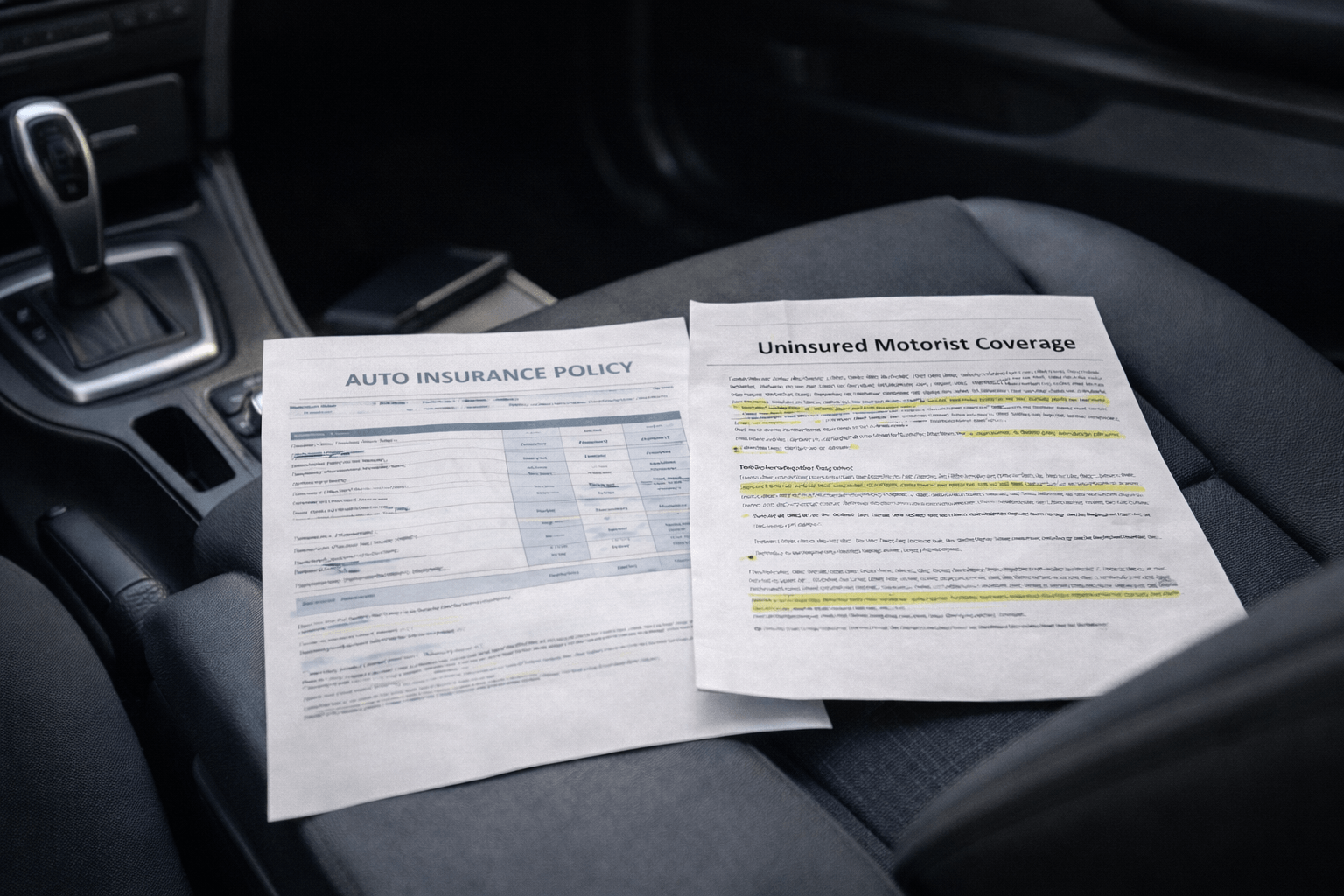
It often makes sense to speak with a lawyer when injuries are significant, multiple parties are involved, the other driver is uninsured, liability is disputed, or the insurance process starts becoming difficult quickly.
A lawyer can help identify missing evidence, review available coverage, manage adjuster communications, and keep the claim from being shaped by the insurance company before the medical picture is clear.
Talk to Pipas Law Group about what comes next
The first steps after a crash often shape the rest of the case. If you were hurt in a Florida car accident and are unsure what to do next, Pipas Law Group can review the facts, the insurance issues, and the records that should be preserved.
A free consultation can give you a clearer plan while the accident is still fresh.
Frequently Asked Questions
The Ultimate Checklist: What to Do Immediately After a Car Accident FAQs
Should I call the police after a minor accident in Florida?
In many situations, yes, especially if there are injuries, significant damage, disagreement about what happened, or any concern that the case may become complicated later.
How soon should I go to the doctor after a car accident?
As soon as reasonably possible. Prompt medical evaluation helps both your health and the documentation of the injury claim.
What evidence should I collect at the scene?
Try to gather photos, videos, contact information, witness details, vehicle information, and any notes about road conditions or how the crash happened.
Should I talk to the other driver’s insurance company right away?
Be careful. Early statements can affect the case, so it is often wise to understand the claim better or get legal guidance before speaking in detail.
Talk to Pipas Law Group
Have questions after an accident?
The Pipas Law Group team can review the details, explain what may matter, and help you think through your next step.