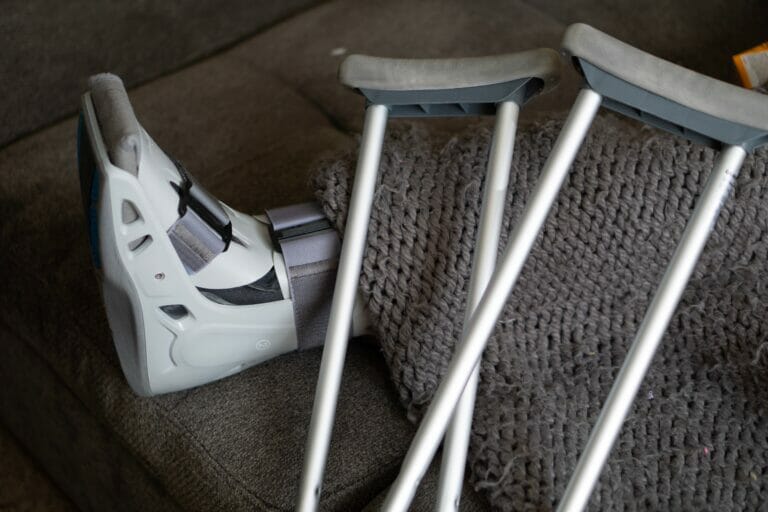

Rear-end collisions are among the most common types of car accidents, and they can create injuries that linger far longer than people expect. Neck pain, back injuries, headaches, and even concussive symptoms may not fully present right away, which is one reason these crashes should not be dismissed as automatically minor.
At the same time, rear-end crashes often create confusion about liability. Many people assume the rear driver is always legally at fault. In many cases that assumption points in the right direction, but it is not a complete rule. The better question is what happened, why it happened, and whether negligence can actually be proven from the full circumstances.
Why rear-end collisions should not be underestimated
Rear-end crashes may look less dramatic than some other collisions, but they can still produce serious and long-lasting injuries. Whiplash, herniated discs, concussions, soft tissue damage, and later-onset neck or back pain are all common issues after these accidents.
That matters because the legal value of the case is not determined by whether the impact looked minor in a photo. It depends on what actually happened to the people involved and what evidence supports the resulting injuries and losses.
Why people often assume the rear driver is at fault
In many rear-end cases, the driver in the back is suspected because drivers are expected to maintain enough distance and awareness to stop safely. Following too closely, distraction, inattention, or delayed braking are common reasons the rear driver may be found negligent.
But that is still an evidentiary starting point, not the end of the analysis. A legal claim should focus on what each driver was doing and whether any breach of reasonable care actually caused the crash.
When fault may not be one-sided
Rear-end collisions are not always caused only by the trailing vehicle. Depending on the facts, the front driver may have contributed by braking erratically, reversing unexpectedly, driving with broken brake lights, cutting into traffic too abruptly, or otherwise creating an unreasonable hazard.
There may also be situations involving multiple vehicles, roadway defects, or other contributing factors that complicate what initially looked like a simple impact. That is why assumptions alone are not enough.
What kinds of negligence may matter?
Negligence in a rear-end crash may involve distracted driving, drunk driving, speeding, following too closely, aggressive or erratic lane movement, running traffic controls, or failing to keep a proper lookout. Depending on the case, vehicle condition issues may matter too.
The legal question is not just who hit whom, but whether one or more drivers failed to act with reasonable care under the circumstances.
Free Consultation
Have questions about your next step?
A short conversation can help you understand what records matter, how insurance may respond, and whether legal help makes sense for your situation.
What evidence helps determine liability?
Police reports, witness statements, scene photographs, vehicle damage patterns, dashcam footage, repair records, and roadway observations can all matter in rear-end cases. Even small details such as skid marks, debris location, and timing of traffic lights may help show how the collision actually happened.
That is one reason it is important to preserve documentation early rather than relying only on memory later.
Why medical treatment and documentation still matter
Rear-end collision claims often turn not only on fault, but also on whether the injuries are documented in a way that makes sense. Because some symptoms develop over time, early medical evaluation can help connect the condition to the crash before the insurer argues the problem came from somewhere else.
Injury claims become easier to defend when treatment, symptoms, and accident documentation all tell a consistent story.
Talk to Pipas Law Group about your rear-end collision case
Rear-end crashes are common, but that does not mean they are always simple. If you were hurt in a rear-end collision and liability or insurance issues are already becoming contested, it may help to get legal guidance early.
Pipas Law Group can help review the evidence, evaluate negligence issues, and explain what options may be available based on the specific facts of the crash.
Frequently Asked Questions
Understanding Liability in Rear-End Collisions FAQs
Is the rear driver always at fault in a rear-end collision?
Not always. In many cases the trailing driver is heavily scrutinized, but liability still depends on the full facts, evidence, and whether another driver or condition also contributed to the crash.
Can the front driver ever be partly responsible?
Yes. Depending on the facts, issues such as erratic braking, abrupt lane changes, vehicle defects, or other unsafe conduct may affect fault analysis.
What injuries are common in rear-end collisions?
Whiplash, neck pain, back injuries, headaches, and concussive symptoms are all common in rear-end crashes, including some injuries that may not be obvious right away.
What evidence helps prove liability in a rear-end crash?
Police reports, witness statements, photos, dashcam footage, vehicle damage patterns, and other scene evidence can all play an important role.
Talk to Pipas Law Group
Have questions after an accident?
The Pipas Law Group team can review the details, explain what may matter, and help you think through your next step.