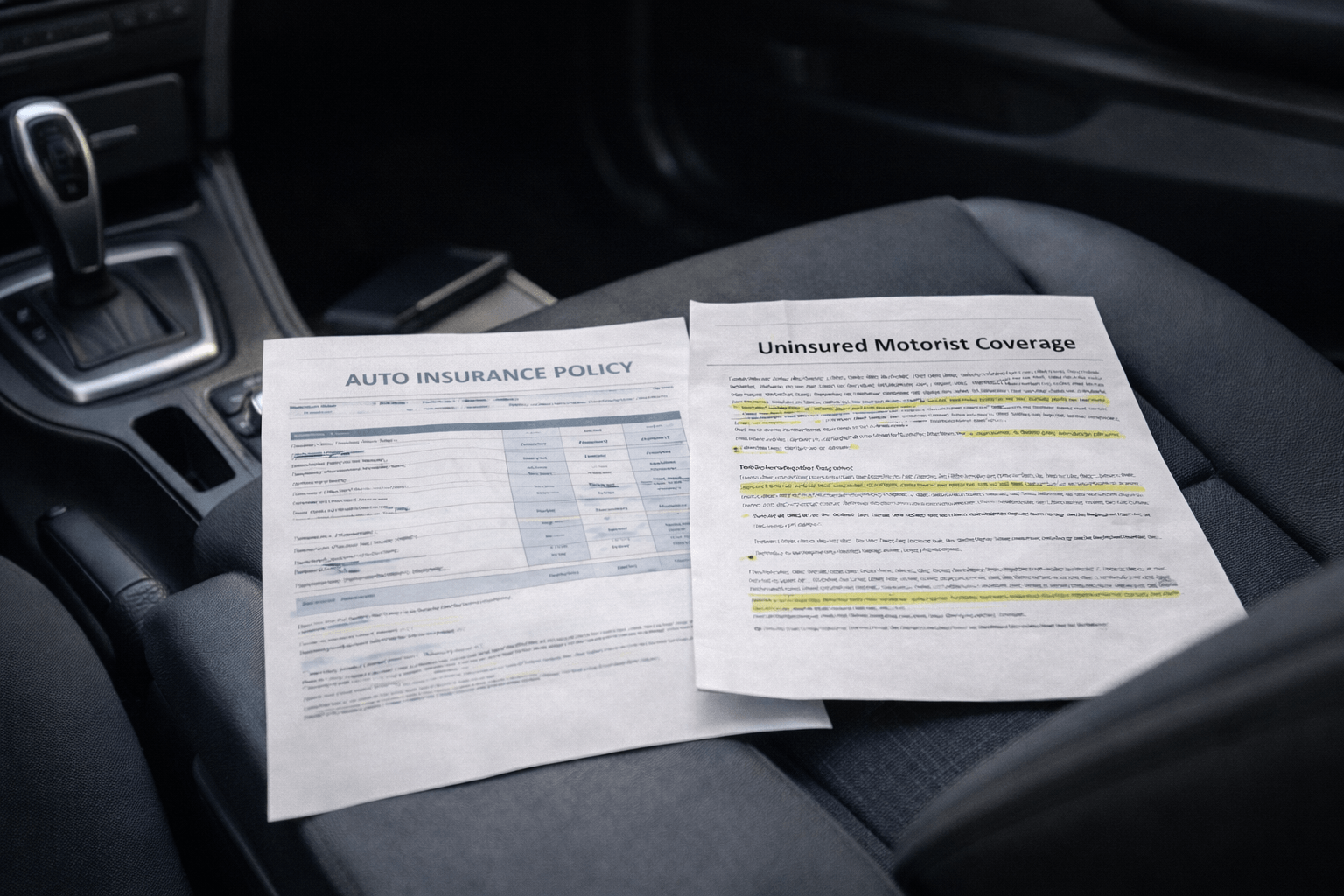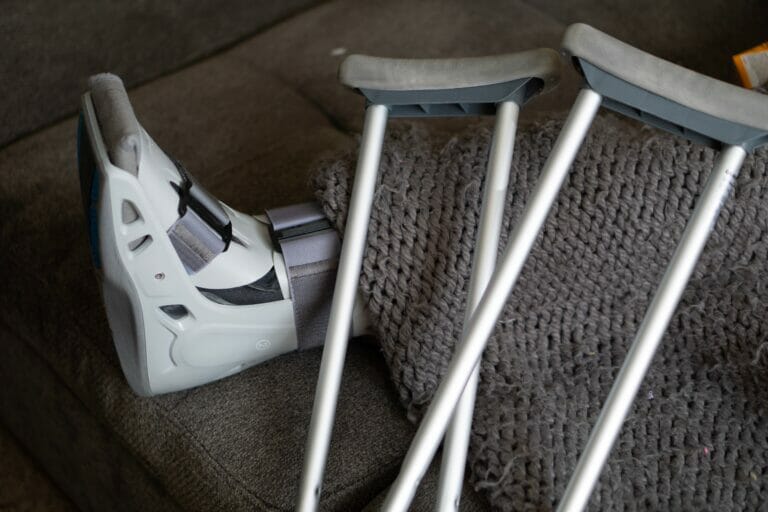

One of the hardest parts of an injury claim is that the bills do not wait for the case to resolve. Treatment may begin immediately, specialists may follow, and the financial stress can start building long before any settlement money exists.
That is why many people ask how they are supposed to pay medical bills while the personal injury case is still ongoing. The answer usually depends on the type of accident, the available insurance, the severity of the injuries, and whether the case needs more advanced claim strategy.
Why medical bills feel so urgent during an injury case
Medical treatment often begins before the insurance picture is fully clear. Emergency care, follow-up visits, therapy, imaging, prescriptions, and specialist referrals can all stack up quickly while the legal and insurance side is still in the early stages.
That timing gap creates stress. People know they need treatment, but they are worried about who is going to pay for it and whether seeking care will create bills they cannot handle in the meantime.
Can PIP help first after a Florida car accident?
For many Florida car accident cases, PIP is often one of the first sources that may help with treatment-related costs. But while PIP can be important, it is also limited and may be used up faster than people expect, especially when emergency care or multiple providers are involved.
That is one reason early planning matters. If treatment is building quickly, relying on PIP alone may not be enough to carry the case for very long.
What is a letter of protection?
When treatment is continuing and the case may eventually lead to a settlement or verdict, some providers may treat under a letter of protection. A letter of protection is generally used to explain that payment is expected to come later from the recovery in the case, rather than being paid fully upfront at the time of treatment.
This can be important in more serious cases where immediate funds are limited, but necessary care still needs to continue. It does not make the bill disappear. Instead, it changes the timing and structure of how payment may be handled.
Can health insurance be used?
Sometimes yes, but the answer is not always simple. In some situations, health insurance may be useful during an injury case. In others, providers may hesitate or policy coordination issues may complicate the decision.
Because reimbursement and lien issues can later become part of the settlement picture, this is an area where early legal guidance often helps. The question is not just whether health insurance exists, but whether using it is the cleanest and smartest move for the case overall.
Free Consultation
Have questions about your next step?
A short conversation can help you understand what records matter, how insurance may respond, and whether legal help makes sense for your situation.
Why documentation still matters while the case is pending
Even while you are focused on getting treatment, the recordkeeping side of the case still matters. Bills, receipts, provider names, diagnosis records, and treatment timelines all help explain the financial impact of the injury.
That documentation is not only useful for future reimbursement. It can also help show the seriousness of the case and keep the final settlement demand grounded in real records rather than rough estimates.
What happens to the bills after settlement?
When a settlement is reached, the medical bills that built up during the case usually still have to be addressed. In other words, settlement money does not automatically mean the bills were already taken care of in the background.
That is why case planning matters. A good settlement strategy should account for treatment costs, liens, outstanding balances, and the real financial burden created during the claim so the person is not left surprised at the end.
Why early legal guidance can make this easier
One of the hardest parts of these situations is that people are trying to recover physically while also making coverage decisions they do not deal with every day. A mistake early in the process can create confusion later about what should have been billed where, what records should have been preserved, and what the actual medical burden became.
That is why it often helps to get advice sooner rather than later. A more organized approach can reduce stress and make the eventual recovery picture much clearer.
Talk to Pipas Law Group about your options
If you are trying to understand how your treatment may be paid for while your personal injury case is still pending, Pipas Law Group can help you sort through the likely options and explain what may make the most sense in your situation.
Paying for treatment during an active case can feel overwhelming, but it usually becomes easier to manage when the insurance, documentation, and legal strategy are all being handled together instead of separately.
Frequently Asked Questions
How Do I Pay My Medical Bills Until My Personal Injury Case Is Resolved? FAQs
Do I have to pay all my medical bills immediately during a personal injury case?
Not always. Depending on the case, PIP, health insurance, letters of protection, or other payment structures may help bridge the gap while the claim is still pending.
What is a letter of protection?
A letter of protection is typically used when treatment continues with the understanding that payment may later come out of a settlement or verdict rather than being paid fully upfront.
Can health insurance be used during a car accident case?
Sometimes yes, but the best approach depends on the policy, provider practices, and how that decision may affect the later settlement picture.
What happens to unpaid bills after settlement?
Outstanding balances, bills, liens, and related obligations usually still have to be addressed after settlement, which is why settlement planning matters so much.
Talk to Pipas Law Group
Have questions after an accident?
The Pipas Law Group team can review the details, explain what may matter, and help you think through your next step.