
A hit and run accident creates a particularly frustrating kind of chaos. You may be injured, your car may be damaged, and the person who caused the crash may be gone before you fully understand what happened.
That disappearing driver changes the legal and practical picture quickly. There may be no obvious insurance information to collect, no direct conversation with the other driver, and no easy path to a normal claim if the person is not identified. Still, that does not mean you have no options.
This guide explains what to do after a hit and run in Florida, what legal and insurance paths may still be available, and why acting quickly matters so much in these cases.
What is a hit and run accident under Florida law?
A hit and run accident generally involves a driver leaving the scene without fulfilling the legal duties required after a crash. Florida law requires drivers involved in a crash causing injury, death, or property damage to stop, remain at the scene, exchange identifying information, and render reasonable assistance when needed.
When a driver leaves instead, the situation becomes both a traffic-crash matter and potentially a criminal matter. That can affect how evidence is gathered, how police investigate the case, and how the insurance side develops afterward.
What should you do immediately after a hit and run?
First, focus on safety and call 911 if anyone may be injured. Even if injuries seem manageable at first, prompt medical attention matters because some symptoms appear only after the adrenaline wears off. Police should also be notified quickly so the crash can be documented and investigated.
Next, preserve every detail you can. Try to note the other vehicle’s make, color, direction of travel, any visible license characters, and any identifying features. If witnesses are present, get their names and contact information before they leave. The sooner these details are captured, the more useful they tend to be.
Why scene evidence matters so much
In a normal accident claim, both drivers and their insurers usually become part of the evidence chain immediately. In a hit and run, much of that is missing, so the case often relies much more heavily on scene documentation, witness information, surveillance footage, debris, and early police investigation.
Photographs, vehicle damage, nearby business cameras, traffic cameras, and 911 timing can all become more important than they would in an ordinary two-driver exchange case.
Free Consultation
Have questions about your next step?
A short conversation can help you understand what records matter, how insurance may respond, and whether legal help makes sense for your situation.
Can your own insurance still help?
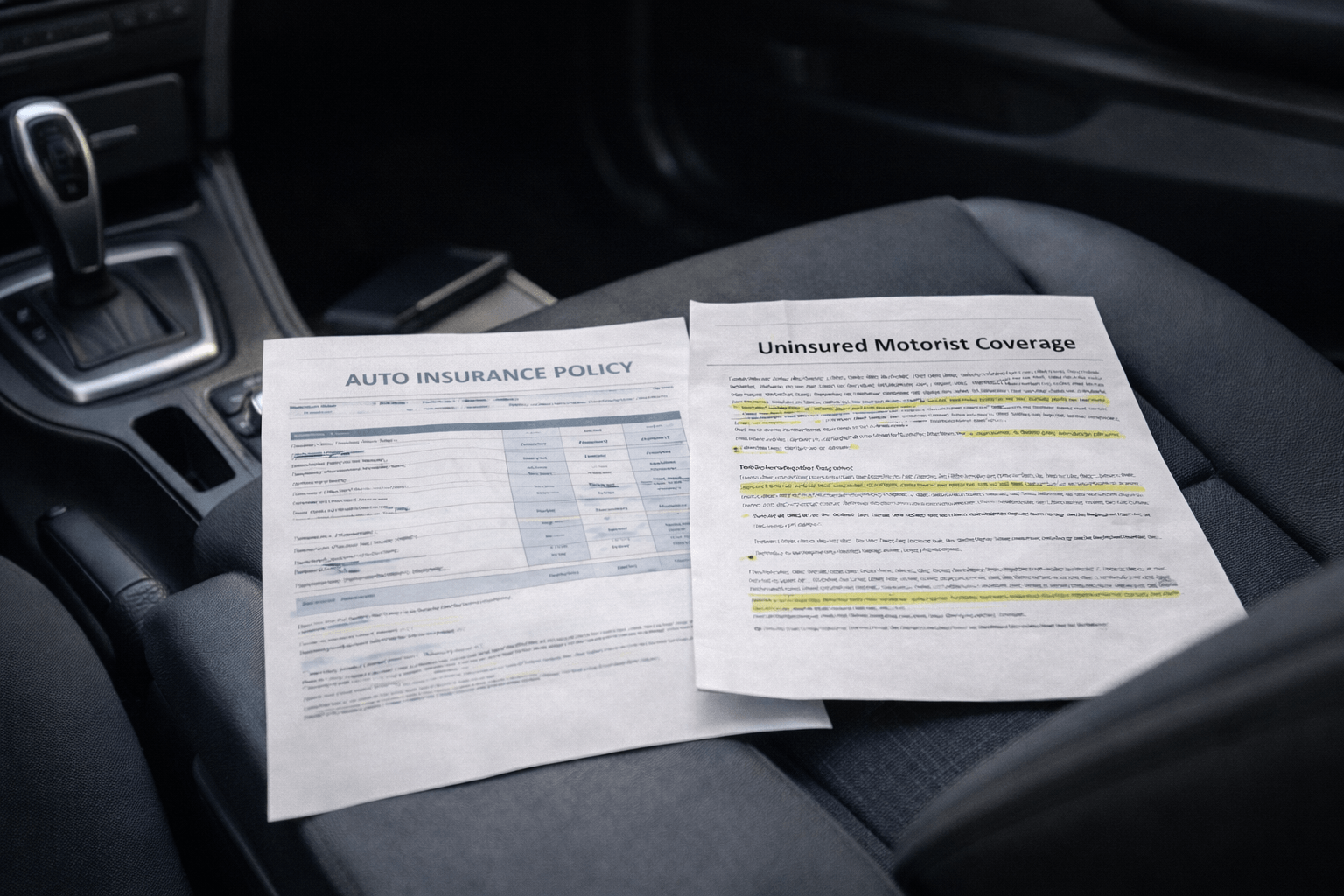
Yes, in many cases your own insurance may still play a major role. In Florida, PIP may help with some injury-related expenses, and uninsured motorist coverage may become especially important in a hit and run because the at-fault driver is effectively unavailable from a bodily injury coverage standpoint.
For the vehicle itself, collision coverage may also matter. The exact path depends on your policy and the facts, but a hit and run does not automatically mean there is no source of recovery at all.
What if the police later identify the driver?
If the driver is later found, additional options may open up. That may include a liability claim against that driver’s insurance or, depending on the situation, a civil case pursuing broader damages connected to the crash.
Even when that happens, early documentation is still critical. Waiting for the driver to be identified is not a substitute for preserving evidence immediately after the crash.
Why hit and run cases are often more complicated than they look
A hit and run can seem straightforward in one sense because the fleeing driver obviously created a serious problem. But from a claim standpoint, these cases often become more complex because evidence is thinner, witness memory fades quickly, and coverage questions may shift toward your own policy rather than the other driver’s.
That complexity is one reason people often benefit from legal guidance sooner rather than later, especially when injuries are significant or the crash facts are still developing.
Talk to Pipas Law Group about your options
If you were hurt in a hit and run crash, Pipas Law Group can help you understand the likely insurance issues, the importance of early evidence, and the next legal steps that may make sense in your case.
A hit and run driver may have left the scene, but that does not necessarily end the case. The sooner the right steps are taken, the better the chances of protecting your recovery options.
Frequently Asked Questions
Hit and Run Accidents: Your Legal Options FAQs
Should I call the police after a hit and run accident?
Yes. A police response and report are often essential in hit and run cases because they help preserve the initial facts and support later insurance or legal action.
Can I still recover compensation if the driver is never found?
Potentially yes, depending on your own available insurance coverage such as PIP, uninsured motorist coverage, or collision coverage.
What information should I try to remember after a hit and run?
Try to remember the vehicle color, make, direction of travel, any visible plate characters, and any witnesses or nearby cameras that may have captured the crash.
Is leaving the scene of a crash a crime in Florida?
Yes. Florida law requires drivers involved in qualifying crashes to stop, remain at the scene, exchange information, and provide reasonable assistance.
Talk to Pipas Law Group
Have questions after an accident?
The Pipas Law Group team can review the details, explain what may matter, and help you think through your next step.