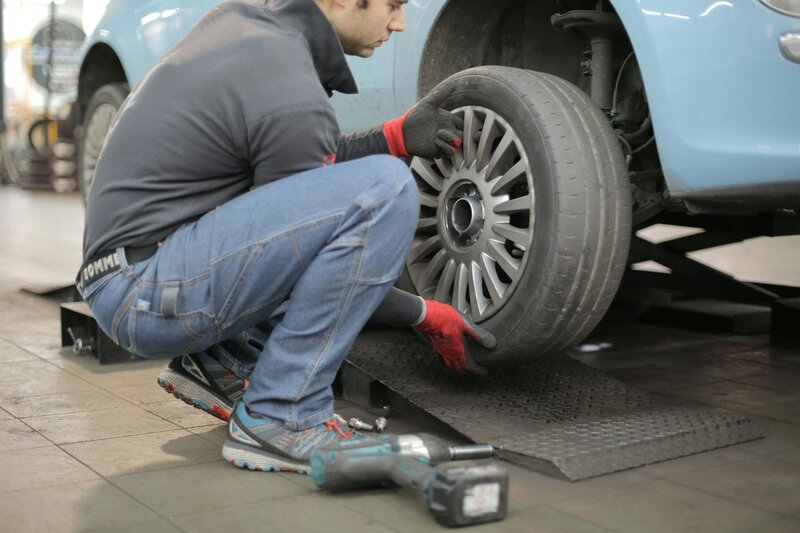

A lot of people use the phrase fender bender to describe a small crash that does not look serious at first glance. It may happen in traffic, in a parking lot, at a stoplight, or during a low-speed rear-end collision. Because the damage seems minor, many drivers assume the situation is simple.
That assumption can create problems. A fender bender may still involve neck pain, back pain, delayed symptoms, confusion about fault, or an insurance dispute that becomes more frustrating than expected. In Florida, even a seemingly minor accident can still trigger legal duties and documentation issues that matter later.
This guide explains what a fender bender is, what Florida law may require after a minor car accident, and what steps can help protect both your health and your potential claim.
What is a fender bender?
A fender bender is a common phrase for a minor car accident, usually involving lower-speed impact and damage that may appear limited compared to a major crash. People often use it to describe rear-end accidents, parking lot collisions, lane-change contact, or other small impacts where the vehicles are still drivable.
The phrase sounds casual, but the legal and insurance consequences are not always casual. A crash does not need to look dramatic to create medical issues, property damage questions, repair delays, or disagreement about who caused it.
What is a fender bender in legal terms?
There is no special legal category in Florida law called a fender bender. Legally, it is still a motor vehicle accident. That means the usual questions still matter: whether anyone was injured, whether property damage occurred, whether police should be called, what information must be exchanged, and how the crash should be documented.
In other words, drivers should not treat a minor crash as if it exists outside the normal rules just because the phrase sounds informal. A small accident can still become a real claim.
What should you do immediately after a minor car accident in Florida?
The first priority is safety. Check whether anyone is hurt, move out of danger if it is safe to do so, and turn on hazard lights when appropriate. Even in low-speed crashes, do not assume everyone is fine simply because the vehicles do not look badly damaged.
After safety is addressed, exchange information, document the scene, photograph both vehicles, note the location, and consider whether police should be contacted based on the facts. Early photos and clean documentation often become more useful than people expect.
Do you have to call the police after a fender bender in Florida?
That depends on the circumstances. If there are injuries, significant property damage, an unsafe situation, disagreement about what happened, or concern that the other driver may leave or fail to cooperate, calling law enforcement is often the safer move.
Even when the crash seems small, an official report can help preserve details about the location, vehicles, parties involved, and the basic description of the event. In many minor accidents, one of the biggest mistakes is assuming there is no need for documentation because the crash looks too small to matter.
What information should you exchange?
Drivers should gather names, contact information, driver’s license details, insurance information, vehicle information, and license plate numbers. If there are witnesses nearby, getting their names and contact information may also help later.
Try to keep the conversation factual and calm. A minor accident scene is not the best place to argue, speculate, or make broad statements about fault. Those early comments may later be repeated in ways that do not help you.
Free Consultation
Have questions about your next step?
A short conversation can help you understand what records matter, how insurance may respond, and whether legal help makes sense for your situation.
Can a fender bender still cause injuries?
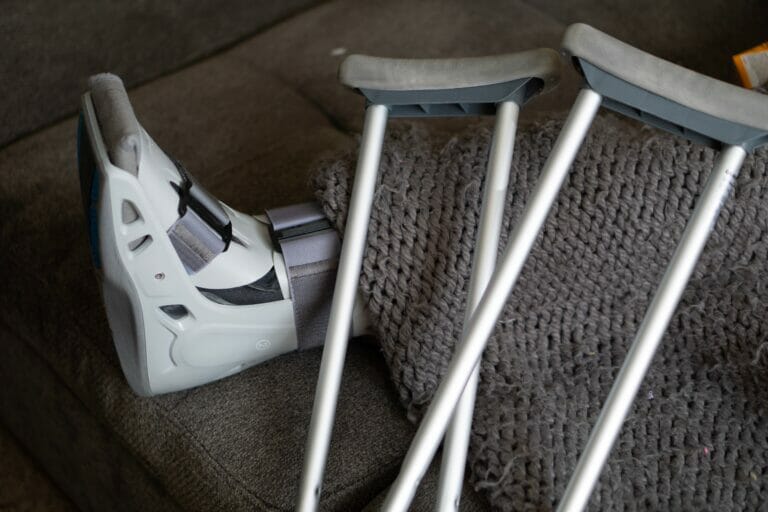
Yes. Minor car accidents can still cause whiplash, back pain, headaches, shoulder injuries, soft tissue injuries, or symptoms that do not show up right away. Low visible vehicle damage does not automatically mean low physical impact on the body.
That is one reason medical attention matters when symptoms appear. Waiting too long can make both recovery and documentation more difficult, especially if the insurance company later argues that the injury was unrelated or exaggerated.
How Florida insurance may apply after a fender bender
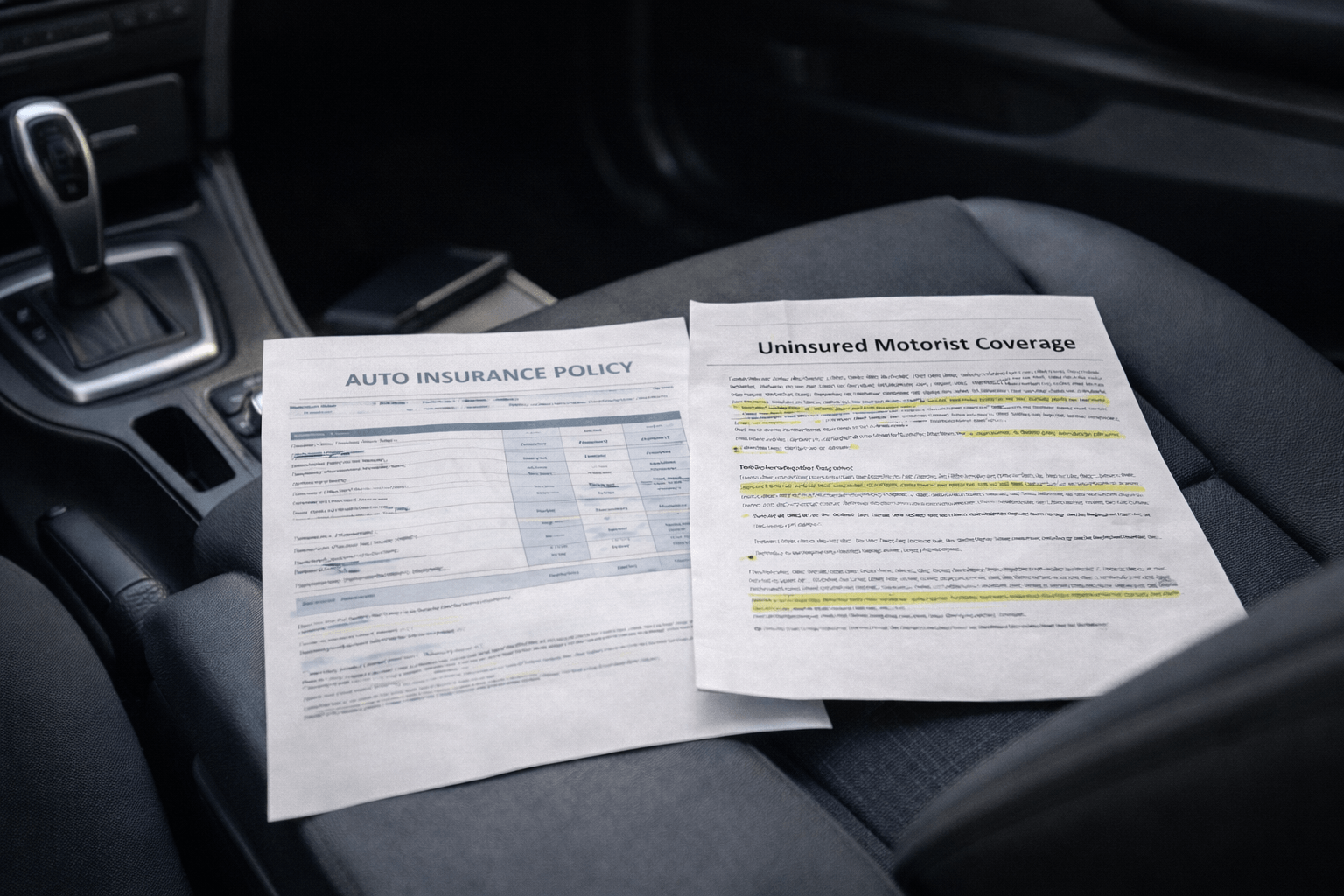
Florida drivers often hear that the state is no-fault, but that does not mean fault never matters. Personal Injury Protection may become part of the picture for medical expenses, while property damage, vehicle repairs, and liability questions can still create a separate dispute depending on what happened.
A driver may also find that what looked like a routine claim becomes frustrating once repair estimates, deductible issues, rental car needs, or injury complaints start developing. Minor crashes often feel simple only in the first hour.
Should you report a fender bender to your insurance company?
In many situations, yes, because your policy may require timely notice. But reporting the accident does not mean you should casually give broad recorded statements without understanding the situation first.
A careful report is different from oversharing. What you say early can influence how the file is viewed, especially when the insurer later looks at liability, treatment timing, and the seriousness of the accident.
Common mistakes people make after a minor accident
One common mistake is failing to photograph the scene because the damage looks too small to justify the effort. Another is skipping medical evaluation even when soreness starts developing later that day or the next morning. People also often forget to collect witness information or assume a handshake agreement with the other driver will solve everything.
Another big mistake is thinking a minor crash cannot turn into a real dispute. Some of the most frustrating cases begin with the phrase it was only a fender bender. That mindset can lead to weak documentation and avoidable insurance problems.
When should you talk to a lawyer after a fender bender?
It may make sense to speak with a lawyer if injuries are showing up, fault is disputed, the insurer is minimizing the claim, property damage issues are becoming difficult, or the crash is starting to feel more complicated than it first seemed.
A minor accident does not automatically require legal representation, but it can still justify legal guidance. Sometimes a quick conversation is enough to help you understand whether the claim is staying simple or becoming something more serious.
Talk to Pipas Law Group after a Florida fender bender
If you were involved in a minor car accident in Florida and are unsure what to do next, Pipas Law Group can help you understand the situation, protect your documentation, and make sense of what the insurance process may look like.
A fender bender may sound small, but the right next steps still matter. A free consultation can help you get clearer on what happened, what matters most now, and whether your case deserves closer attention.
Frequently Asked Questions
Florida Fender Bender Laws: What to Do After a Minor Car Accident FAQs
What is a fender bender?
A fender bender is a common phrase for a minor car accident, often involving lower-speed impact and damage that appears limited at first glance.
What is a fender bender in Florida?
In Florida, it is still a motor vehicle accident under the law, even if people casually refer to it as a fender bender because it seems minor.
Do I need to call the police after a minor car accident in Florida?
You may need or want to call law enforcement depending on injuries, property damage, safety concerns, disagreement about fault, or uncertainty about the situation.
Can a fender bender cause injuries?
Yes. Even low-speed crashes can lead to whiplash, back pain, headaches, soft tissue injuries, and delayed symptoms.
Should I talk to a lawyer after a fender bender?
It may make sense if injuries are developing, fault is disputed, the insurance process is getting difficult, or the crash is proving more complicated than it first appeared.
Talk to Pipas Law Group
Have questions after an accident?
The Pipas Law Group team can review the details, explain what may matter, and help you think through your next step.