
Settlement conversations often begin while an injured person is still treating, missing work, or waiting to learn whether the injury will fully heal. That timing can create pressure, especially when an insurance company starts talking numbers before the long-term picture is clear.
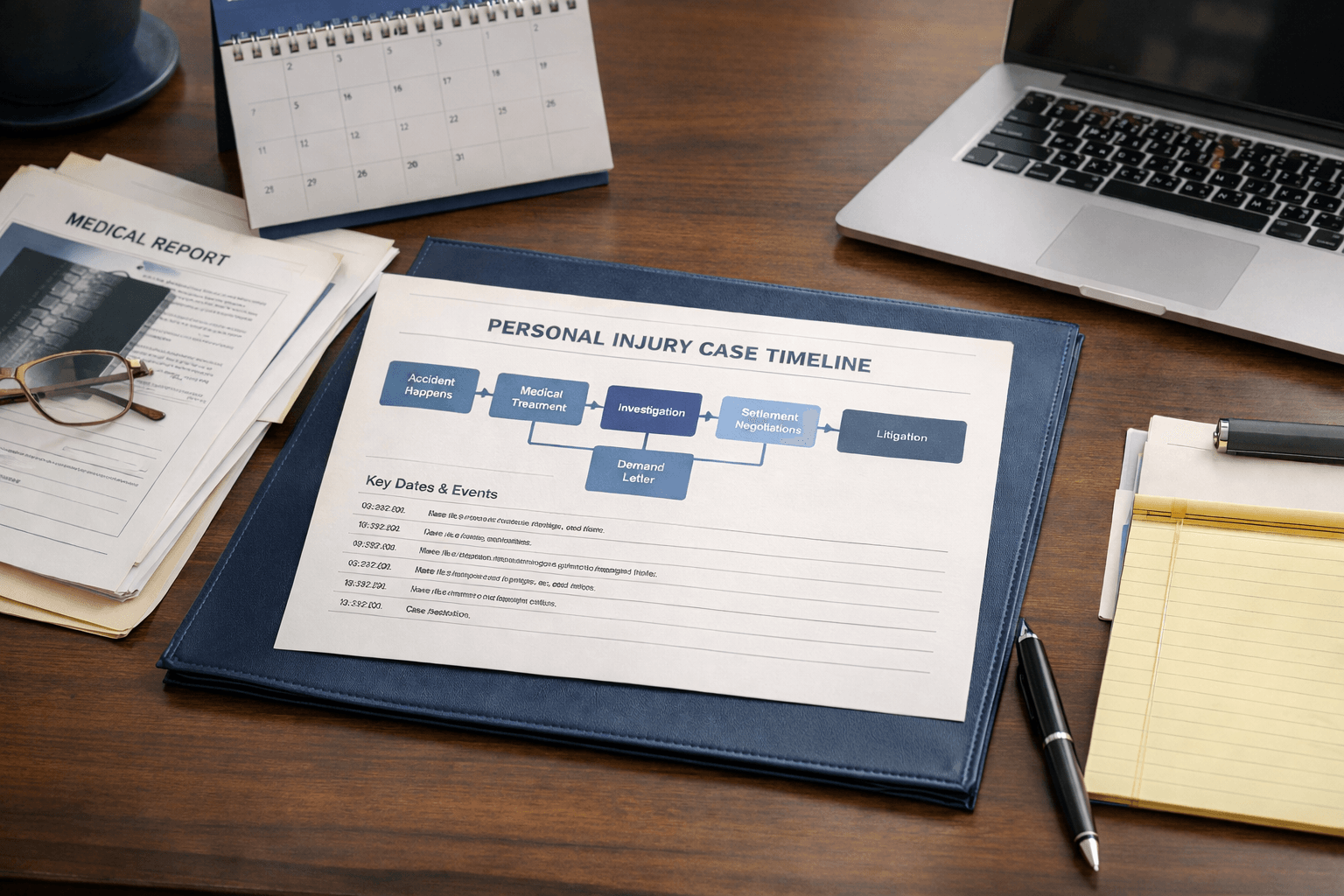
A personal injury settlement is usually the end result of investigation, treatment, documentation, negotiation, and timing. The strength of the case often depends on whether the facts were developed carefully before anyone tried to put a final number on the claim.
This guide walks through how settlements usually develop and why the fastest offer is not always the right one.
What is a personal injury settlement?
A personal injury settlement is an agreement that resolves the claim in exchange for compensation, usually without requiring a full trial. In many cases, the injured person agrees to release further legal claims related to the accident in return for the negotiated amount.
That last part matters. A settlement is usually final. Once it is accepted and signed, you typically cannot go back later and ask for more if the injuries turn out to be worse than expected.
What affects settlement value?
Settlement value is not determined by one single formula. It often depends on liability, injury severity, treatment consistency, medical expenses, lost wages, pain and suffering, future care needs, and the strength of the supporting documentation.
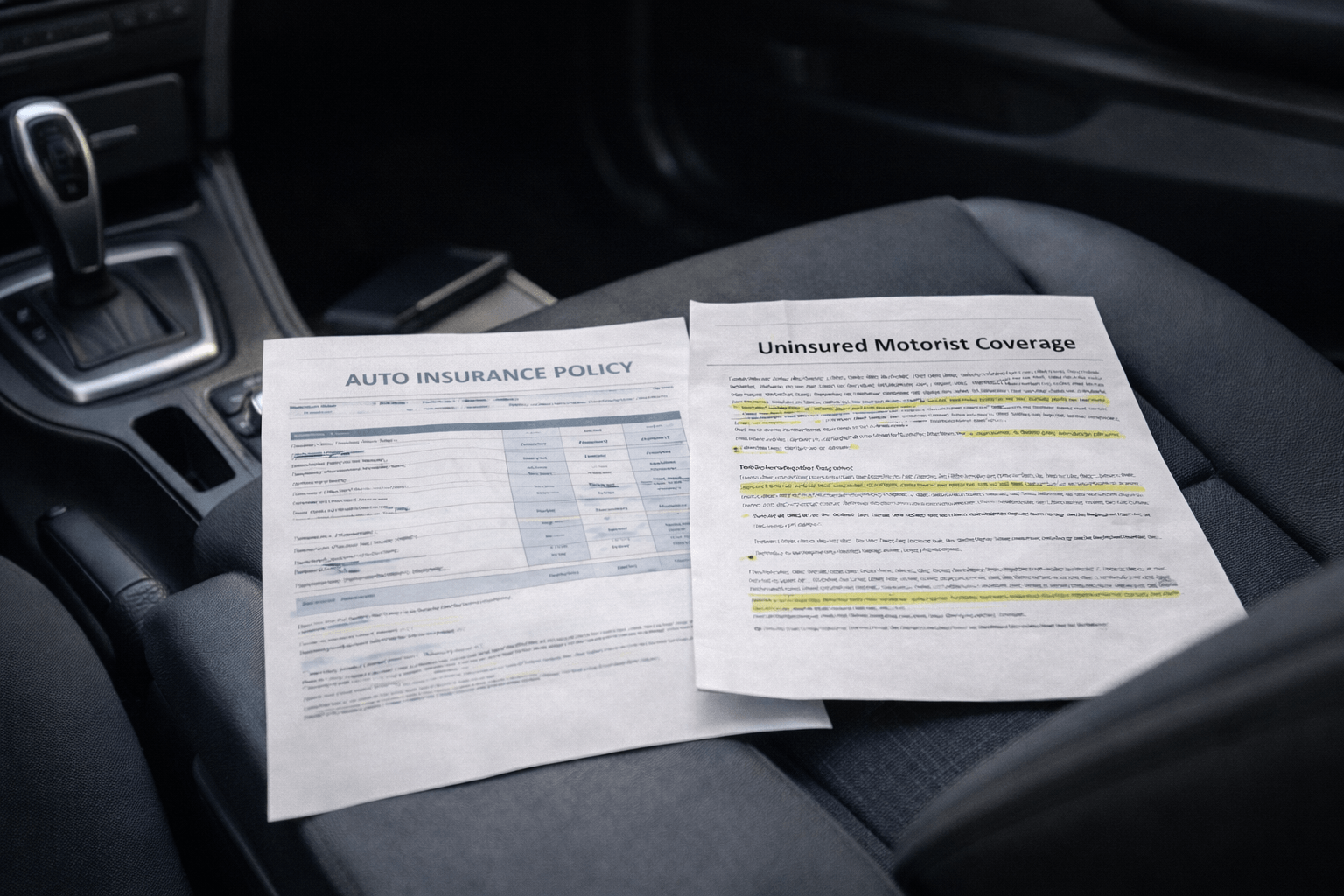
Available insurance coverage matters too. Even when damages are serious, real-world settlement negotiations are still shaped by policy limits, collectability, and the insurer’s willingness to negotiate reasonably.
Why treatment and documentation matter so much
Medical treatment is often one of the foundations of settlement value. The records help show what happened, how serious the injuries are, how long recovery is taking, and whether any long-term problems are likely to continue.
Documentation is equally important. Bills, imaging, prescriptions, work restrictions, wage records, photographs, witness statements, and provider notes all help make the case more concrete and harder to dismiss as vague or exaggerated.
How settlement negotiations usually begin
Many cases move into negotiation after enough records and information have been gathered to meaningfully evaluate the claim. That often includes treatment updates, medical bills, proof of income loss, and an explanation of how the injuries have affected daily life.
Sometimes the insurer makes the first offer. Other times the injured person’s lawyer sends a demand package and negotiations develop from there. Either way, the quality of the case preparation often shapes how seriously the insurer treats the claim.
Free Consultation
Have questions about your next step?
A short conversation can help you understand what records matter, how insurance may respond, and whether legal help makes sense for your situation.
Why early offers can be risky
An early offer may feel tempting, especially when bills are already coming in. But if treatment is ongoing or the long-term impact of the injury is not yet clear, an early settlement can be risky.
Once a settlement is final, the case is usually over. That is why rushing into a number before the case is mature enough can leave major losses outside the recovery.
Do most personal injury cases settle?
Yes, many do. Some resolve before a lawsuit is filed, and others settle later during litigation or after mediation. Settlement is common, but that does not mean every case settles quickly or fairly without pressure being applied.
In some cases, the possibility of trial is what pushes negotiations toward a more serious and realistic number.
What happens after a settlement is reached?
Once a settlement is finalized, there is usually still a process involving release documents, lien review, bill resolution, and final disbursement of funds. In other words, reaching the number is not always the very last step.
This is also why it helps to understand the structure of the case before agreeing to settle. The gross amount is important, but so is how the final net recovery will actually look once obligations are addressed.
Talk to Pipas Law Group about your claim
If you are trying to understand what your personal injury claim may be worth, whether a settlement offer is too early, or how negotiations usually work, Pipas Law Group can help you evaluate the situation with more clarity.
A good settlement is not just about speed. It is about timing, preparation, and making sure the value of the case is understood before you close the door on it permanently.
Frequently Asked Questions
Personal Injury Settlements: What You Need to Know FAQs
What determines the value of a personal injury settlement?
Settlement value often depends on liability, injuries, treatment, bills, lost wages, pain and suffering, future care, documentation quality, and available insurance coverage.
Do most personal injury cases settle?
Many do, but the timing and fairness of the settlement often depend on how well the case was prepared and whether the insurer is taking the claim seriously.
Should I accept the first offer from the insurance company?
Not automatically. Early offers can be risky if treatment is ongoing or the long-term impact of the injuries is still unclear.
Can I ask for more money later if my injuries get worse after settlement?
Usually no. That is one of the biggest reasons to be cautious before accepting a settlement too early.
Talk to Pipas Law Group
Have questions after an accident?
The Pipas Law Group team can review the details, explain what may matter, and help you think through your next step.