After an accident, one of the most common questions people ask is how long a personal injury case may take. That is understandable. Medical treatment, time away from work, pressure from insurance companies, and uncertainty about the future can make even a short delay feel overwhelming.
There is no universal timeline that applies to every case. Some claims resolve relatively quickly, while others take much longer because of treatment, disputed liability, insurance delays, or the need for litigation. Understanding the usual stages of a case can help you know what to expect and why patience sometimes protects the value of a claim.
How long does a personal injury case usually take?
Some personal injury cases resolve in a matter of months, while others can take much longer. The timeline often depends on how serious the injuries are, whether medical treatment is still ongoing, how clear liability may be, and how the insurance company responds to the claim.
In many cases, it is not wise to rush a settlement before the full scope of the injury is understood. A case may appear simple at first, but if treatment continues, lost wages increase, or long-term limitations become clearer, settling too early can create problems that cannot easily be undone.
The typical stages of a personal injury case
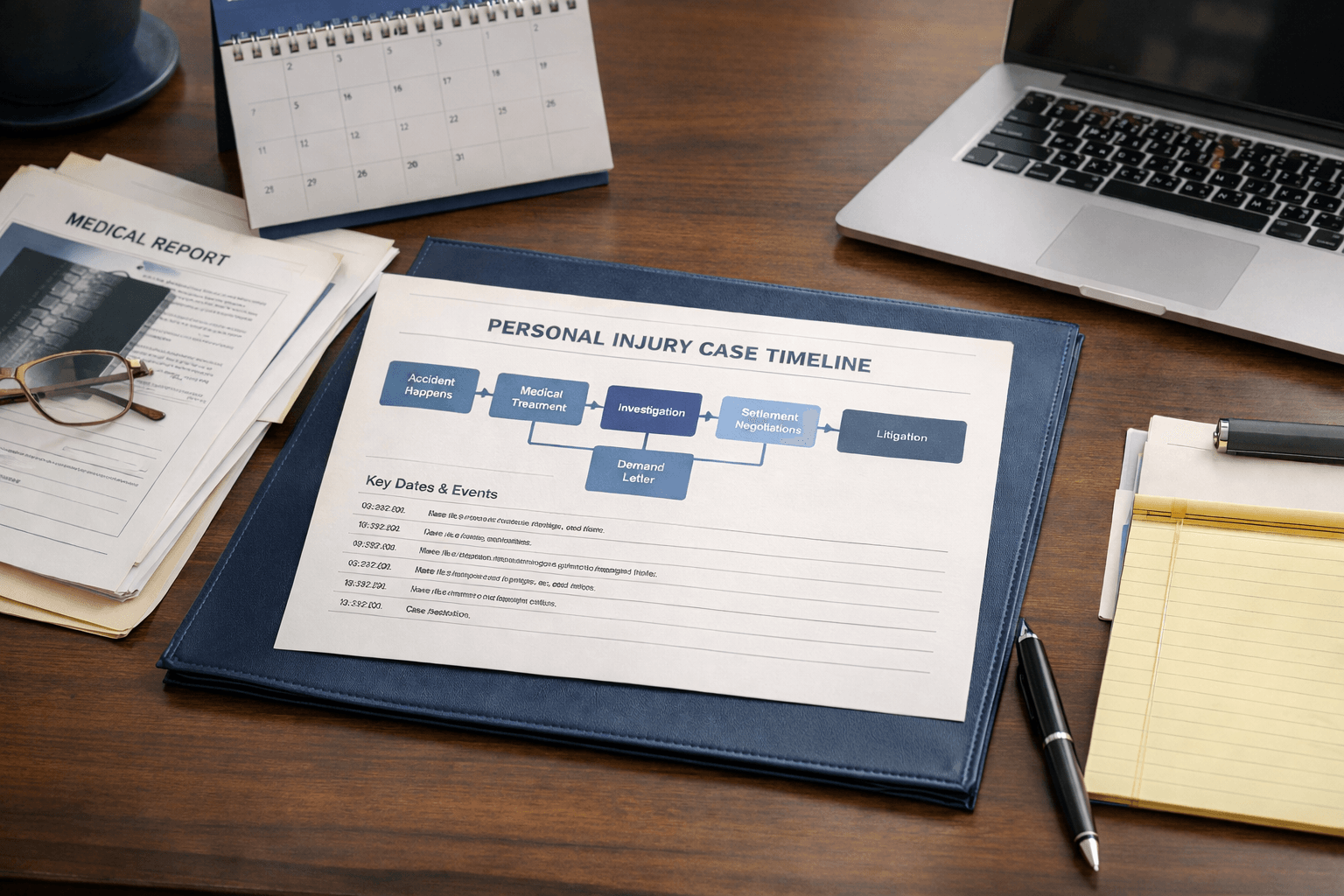
Most personal injury claims move through a sequence of stages rather than one single event. Early on, medical treatment and documentation usually matter most. Records, bills, photographs, witness information, and accident reports can all become important as the case develops.
Once a lawyer is involved, the case often moves into investigation and claim building. That can include reviewing records, gathering evidence, evaluating damages, and communicating with the insurance company. If treatment is still underway, this stage may take longer because the case may not yet be ready for a full demand.
After enough information is gathered, a demand letter may be prepared and settlement negotiations may begin. Some cases resolve there. Others require a lawsuit, formal discovery, mediation, or even trial if a fair resolution cannot be reached earlier.
Watch: Attorney Video on the Stages of a Personal Injury Case
Medical treatment and early documentation
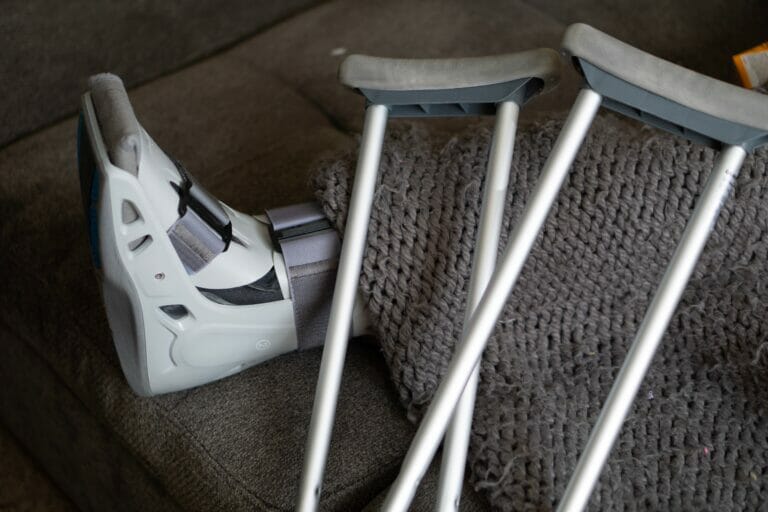
Medical care often drives the early timeline of a personal injury case. Doctors, specialists, therapists, imaging, and follow-up appointments can all affect how long it takes to understand the full extent of an injury. In many cases, treatment records are also part of what helps support the claim.
Early documentation matters as well. Photographs, damage estimates, wage loss information, prescriptions, and provider notes can all help build a stronger file. When records are incomplete or treatment is inconsistent, that can slow the process and create avoidable disputes.
Hiring a personal injury lawyer
Hiring a personal injury lawyer does not automatically make a case last longer. In many situations, early legal guidance can help organize the claim, reduce communication problems, preserve evidence, and keep the process moving more efficiently.
A lawyer may also help handle insurer communication, coordinate records, evaluate damages, and identify issues that could affect value later. When important steps are handled early, it may become easier to avoid delays that come from missing information or rushed decisions.
Investigation and claim building
Before a strong settlement demand can be made, the claim usually needs to be built carefully. That can include reviewing police reports, witness statements, treatment records, medical bills, property damage documents, and proof of lost income.
This stage can take time because outside parties may be slow to respond. Providers may take time to send records, insurers may request more documentation, and the details of the accident may still be disputed. A case that looks simple from the outside may still require substantial preparation before negotiation begins.
Demand letter and settlement negotiations
Once the case is ready, a demand letter may be sent to the insurer or opposing side. That demand usually outlines what happened, how the injuries affected the person, what losses have been documented, and what compensation is being sought.
Settlement negotiations may begin after that, but they are not always fast. Insurance companies may ask for more information, dispute parts of the claim, challenge treatment, or make a low initial offer. Negotiation can take time, especially when the injuries are significant or liability is contested.
Free Consultation
Have questions about your next step?
A short conversation can help you understand what records matter, how insurance may respond, and whether legal help makes sense for your situation.
Filing a lawsuit if needed
Not every personal injury case requires a lawsuit, but some do. If a fair settlement cannot be reached through negotiation, filing suit may become necessary to move the claim forward and preserve leverage.
A lawsuit can lengthen the timeline because it introduces formal procedures, deadlines, written discovery, depositions, motions, and court scheduling. That does not mean litigation is bad. Sometimes it is the step needed to pursue a more serious result when the other side is not acting reasonably.
Litigation, mediation, and possible trial
Even after litigation begins, many cases still resolve before trial. Discovery and mediation often create opportunities for additional negotiation. As both sides learn more about the evidence, the chances of settlement may change.
Trial remains possible in some cases, especially when liability, damages, or credibility are heavily disputed. While not every case goes that far, the possibility of trial can still shape how the insurer or defense evaluates settlement along the way.
Watch: Attorney Video on Litigation and Trial
What can make a personal injury case take longer?
Several factors may lengthen the timeline of a personal injury claim. Ongoing medical treatment is one of the biggest. When the person is still healing, it may be too early to know the true value of future care, lost earning capacity, or permanent limitations.
Other delays can come from disputed liability, multiple parties, incomplete documentation, insurer delay tactics, the need for expert opinions, or court scheduling once litigation begins. A case that appears slow is not always being mishandled. Sometimes it is simply still developing in a way that matters to its outcome.
Can settling too early be a mistake?
Yes, settling too early can be a mistake in some situations. If treatment is still ongoing or the long-term effects of the injury are not yet clear, accepting an early offer may leave important losses out of the case.
Medical expenses, future care, missed work, pain, and lasting functional limitations may not be fully understood right away. A quick settlement can feel tempting when bills are coming in, but speed is not always the same as a good result.
Free Consultation
Questions about your timeline or settlement?
If you are unsure whether a case is moving normally or whether an offer feels too early, talk to Pipas Law Group about what happened.
Do all personal injury cases go to trial?
No. Many personal injury cases resolve before trial. Some settle before a lawsuit is filed, while others settle during litigation or after mediation.
Still, not every case can be resolved fairly without the pressure of formal legal action. The possibility of trial can matter, even if the case ultimately settles before reaching a courtroom verdict.
When should you talk to a personal injury lawyer?
It may make sense to speak with a personal injury lawyer soon after an accident if the injuries are serious, medical bills are rising, time away from work is creating pressure, or the insurance company is already pushing for a statement or quick resolution.
Early guidance can be especially helpful when liability is unclear, multiple vehicles or parties are involved, or the claim is becoming more complicated than expected. Even when a person is unsure whether they need legal help, asking questions early may help them avoid mistakes that affect the case later.
Talk to Pipas Law Group about your case
If you were hurt in an accident and have questions about how long your case may take, what stage it is in, or whether a settlement offer feels too early, Pipas Law Group can help you understand your options.
A personal injury case is not just about speed. It is about making informed decisions at the right time. A free consultation can help you get clearer about what may happen next.
Frequently Asked Questions
How Long Does a Personal Injury Case Take? FAQs
How long does a personal injury settlement take?
Some settlements happen in months, while others take much longer. The timeline often depends on treatment, documentation, the seriousness of the injuries, the insurance company, and whether the case becomes contested.
Why is my personal injury case taking so long?
A case may take longer because treatment is ongoing, records are still being gathered, liability is disputed, the insurer is delaying, or litigation has become necessary.
Do I need to finish treatment before settling my case?
Not in every situation, but settling before the full extent of the injury is understood can be risky. Ongoing treatment may affect the value of medical expenses, future care, and other damages.
Do all personal injury cases go to trial?
No. Many cases settle before trial. Still, some claims require litigation or mediation before a fair result can be reached.
Talk to Pipas Law Group
Have questions after an accident?
The Pipas Law Group team can review the details, explain what may matter, and help you think through your next step.