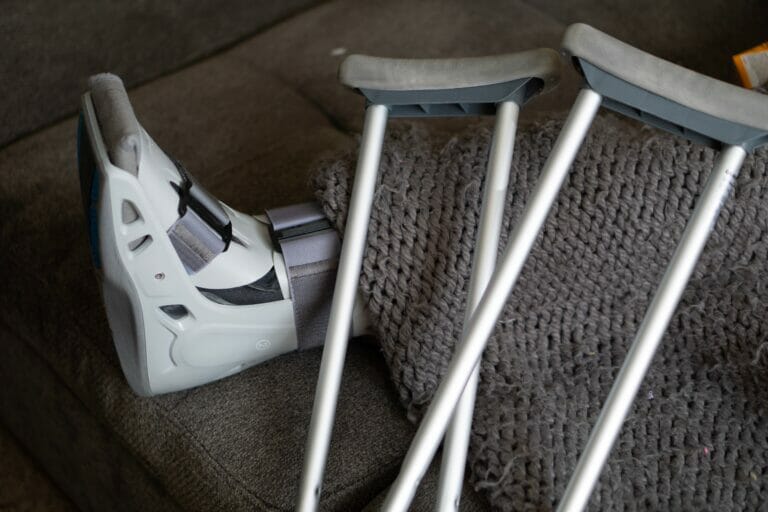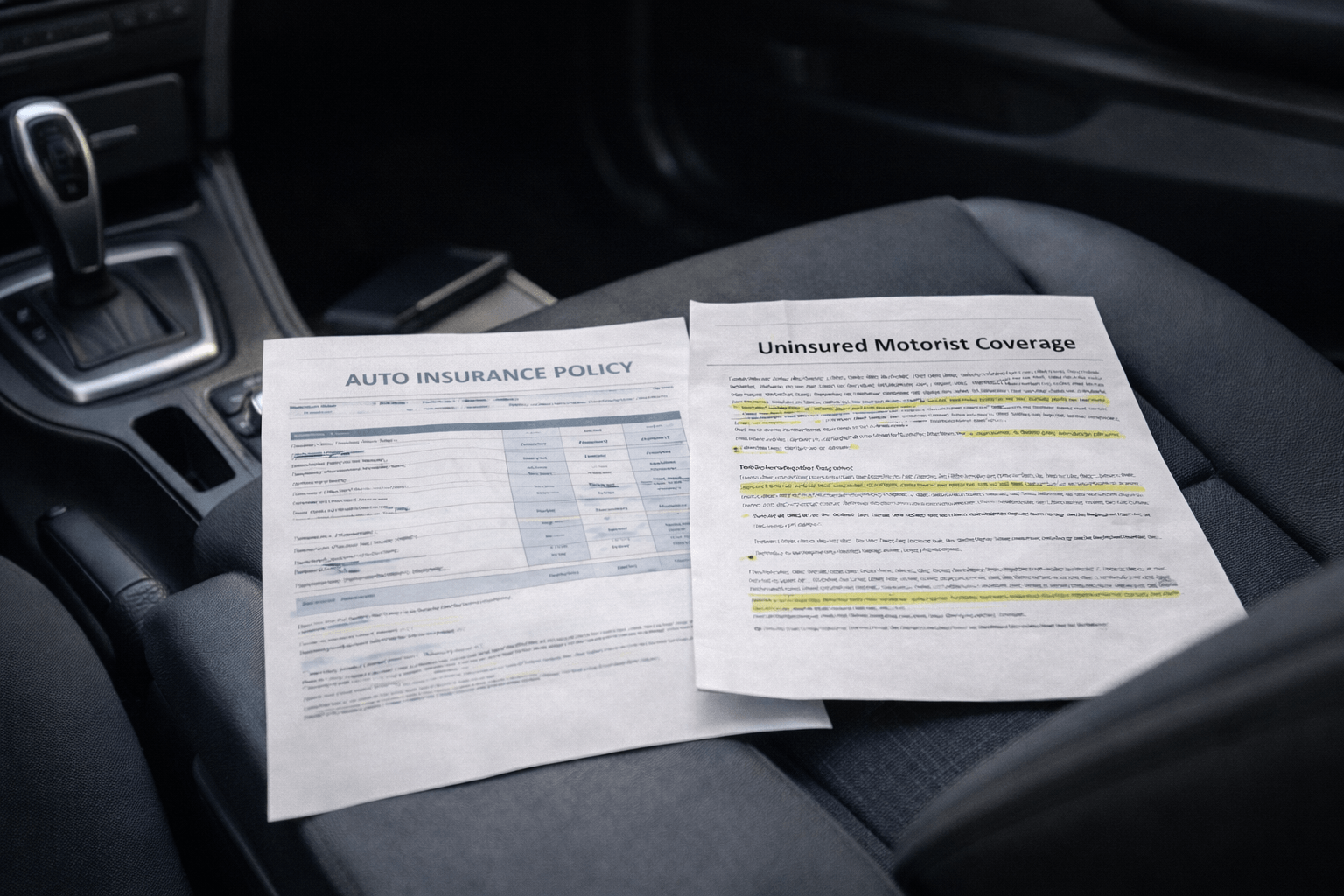

A work injury can create immediate questions about medical bills, lost wages, and how long recovery is going to affect your ability to earn a living. Many injured workers assume the answer is simply to file a workers' compensation claim and move on.
Sometimes that is the correct first step. But not every job-related injury fits neatly into only one legal path. In some cases, another person or company outside the employer relationship may also be responsible, which can open the door to a third-party claim in addition to workers’ compensation.
What is workers' compensation?
Workers' compensation is generally the system employers use to provide benefits for employees who are injured on the job. It is usually designed to help with medical care and a portion of lost wages without requiring the employee to prove traditional fault in the way a normal injury lawsuit would.
That can make it feel more direct than ordinary personal injury litigation, but it also comes with limits that matter, especially in cases involving long-term impairment or major financial loss.
What is a third-party claim?
A third-party claim is different because it is aimed at someone outside the employer relationship whose negligence contributed to the injury. That could be another driver, a contractor, a property owner, a manufacturer, or some other separate person or company depending on the facts.
The key idea is that the third party is not the employer itself, which means the injured worker may potentially have another avenue for recovery beyond workers’ compensation alone.
Why the difference matters
Workers' compensation benefits may help in important ways, but they do not always cover the full financial and personal impact of a serious injury. In some situations, a third-party claim may allow the injured person to pursue losses that would not be fully addressed through workers' compensation benefits alone.
That is why identifying whether a true third-party issue exists can be so important early in the case.
Free Consultation
Have questions about your next step?
A short conversation can help you understand what records matter, how insurance may respond, and whether legal help makes sense for your situation.
Can you sue your employer instead of using workers' compensation?
In many ordinary workplace injury situations, workers' compensation is the main system that applies and direct lawsuits against the employer are limited. That is one reason people often feel boxed into only one recovery path.
But where a true third party exists, the legal picture can become much broader because the claim is no longer aimed only at the employer-benefit system itself.
Why legal guidance matters in overlap cases
Overlap cases are easy to mishandle when no one steps back to ask whether a second path exists. If the injury occurred on the job and another negligent person or entity may also be involved, the timing and strategy of the case can matter a great deal.
An experienced attorney can help identify whether the facts support only workers’ compensation, only a liability claim, or both.
Talk to Pipas Law Group about your options
If you were hurt on the job and are unsure whether your case involves only workers’ compensation or also a possible third-party claim, Pipas Law Group can help you sort through the difference.
The correct legal path depends on the facts, and some of the most important rights in work injury cases come from recognizing early that more than one claim may exist.
Frequently Asked Questions
Workers' Compensation vs. Third-Party Claims FAQs
What is the main difference between workers' compensation and a third-party claim?
Workers' compensation is generally tied to employer-provided work injury benefits, while a third-party claim is directed at someone outside the employer relationship whose negligence contributed to the injury.
Can I have both at the same time?
In some situations, yes. A job-related injury may trigger workers’ compensation and also involve a separate negligent third party.
Does workers’ compensation cover everything after a serious work injury?
Not always. That is one reason identifying a valid third-party claim can be so important in some cases.
What is a common example of a third-party work injury case?
A worker injured in a car crash while performing job duties may potentially have both a workers’ compensation issue and a liability claim against the outside at-fault driver.
Talk to Pipas Law Group
Have questions after an accident?
The Pipas Law Group team can review the details, explain what may matter, and help you think through your next step.