Bicycle crashes often involve a large difference in size and protection between a cyclist and a motor vehicle. Even at lower speeds, an impact or forced evasive maneuver can cause head injury, fractures, road rash, spinal injury, and damage to the bicycle and safety equipment. The driver may claim the cyclist was outside a bike lane, entered a crosswalk incorrectly, lacked lighting, or was difficult to see. The cyclist may report unsafe passing, a door opening, a turning vehicle, distraction, or failure to yield. Objective evidence can be especially important when the accounts conflict.
Move Out of Traffic and Call for Help
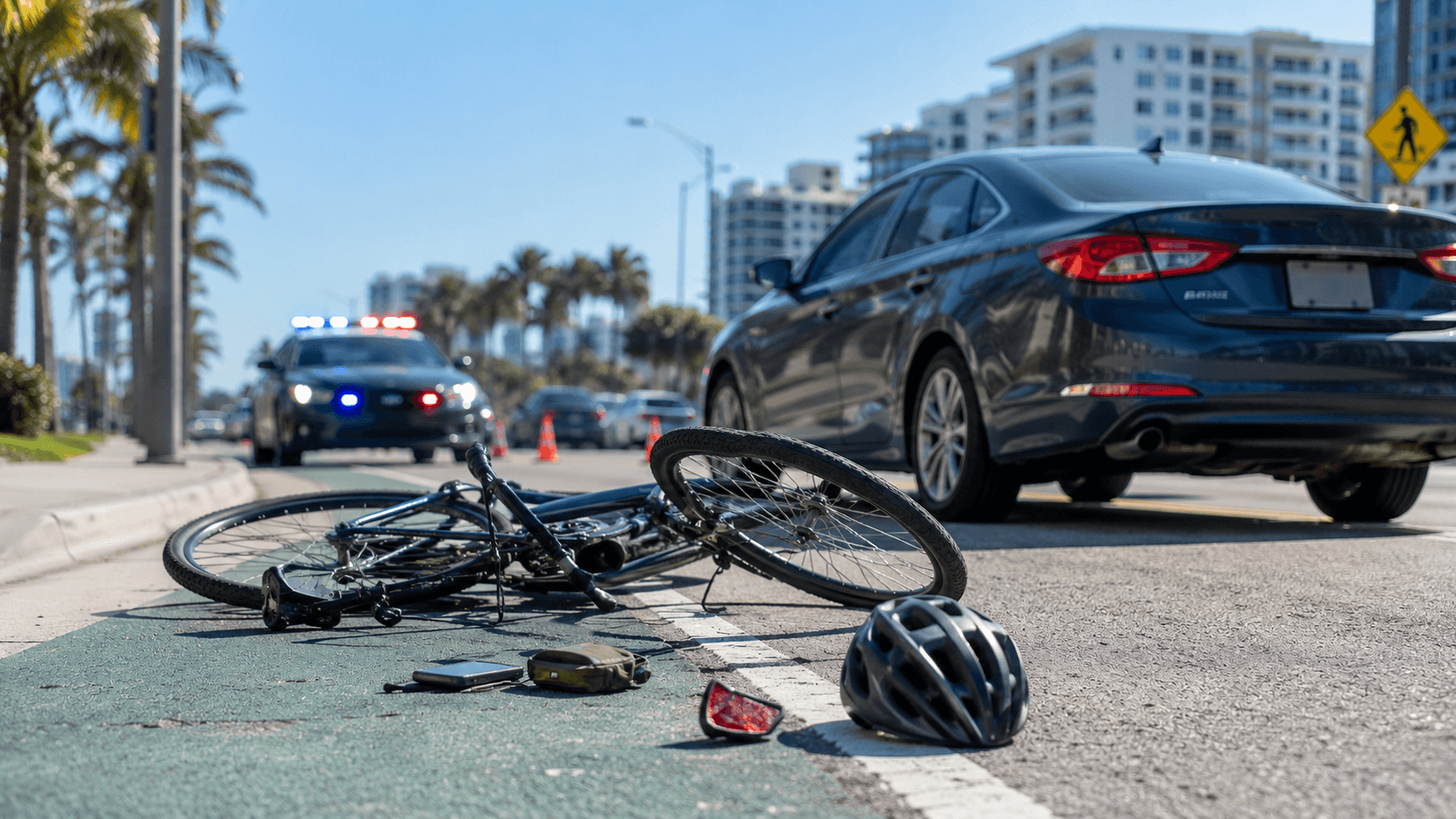
If possible, move to a safe location without worsening an injury. Call 911 when anyone is hurt, traffic is blocked, the driver leaves, or the scene is unsafe. Do not chase a hit-and-run vehicle or stand in active lanes to recover equipment. Ask that law enforcement document the crash. Obtain the agency name, officer information, report number, and instructions for requesting the report.
Accept Medical Evaluation
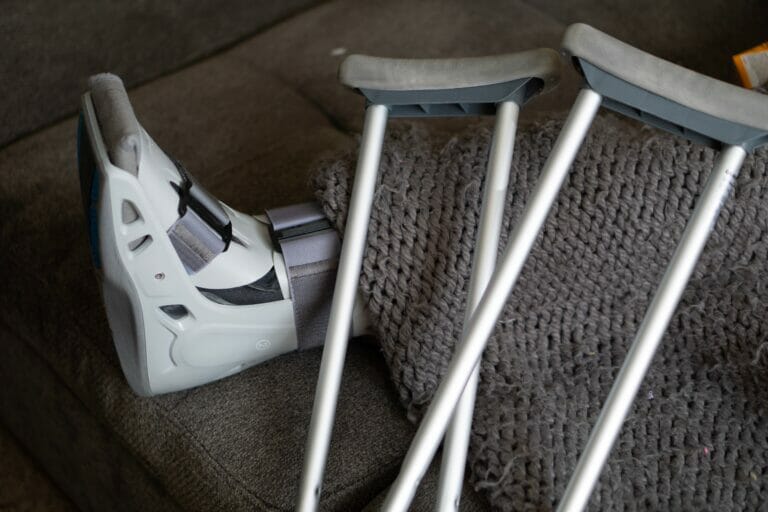
Cyclists may strike a vehicle, pavement, curb, windshield, or another object. Helmets reduce certain risks but do not rule out concussion or other injuries. Tell emergency personnel about loss of consciousness, confusion, headache, neck or back pain, numbness, abdominal pain, and every area that struck the ground. Keep medical records, imaging, prescriptions, referrals, bills, and work restrictions. If symptoms appear or worsen after leaving the scene, obtain appropriate evaluation rather than assuming they will resolve.
Identify the Driver, Vehicle, and Insurance
Record or photograph the driver's license, vehicle plate, registration, insurer, policy information, and contact details. Confirm whether the driver was working, making a delivery, driving a company vehicle, or using a rideshare or delivery platform. If the driver leaves, preserve the vehicle description, direction of travel, plate digits, witness contacts, and nearby video sources. Florida law requires a driver to stop after a crash involving property damage, injury, or death.
Photograph the Road and the Bicycle's Position
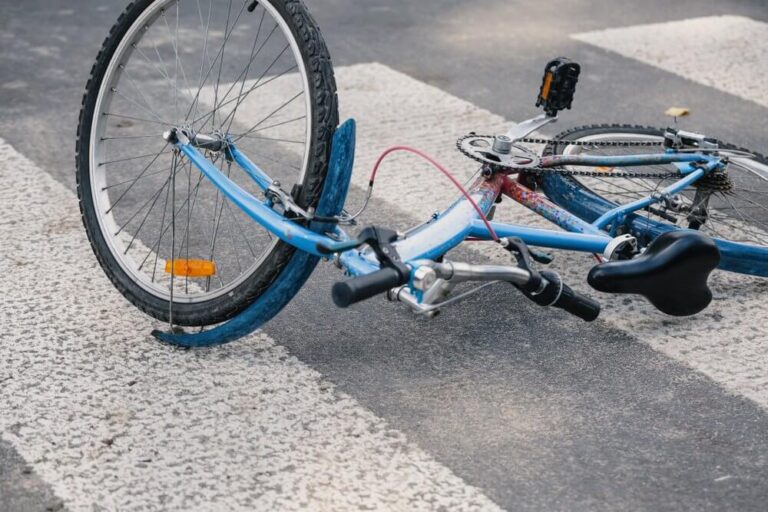
When safe, document the bicycle, vehicle damage, debris, skid or tire marks, blood or clothing on the pavement, traffic signals, lane markings, bike lanes, crosswalks, driveways, parked vehicles, doors, signs, lighting, construction, and visibility. Wide photographs can show sight lines and the path each person was using. Close photographs can show impact points, paint transfer, wheel damage, brake condition, and broken components.
Preserve the Bicycle, Helmet, Clothing, and Devices
Do not repair, discard, sell, or allow an insurer to take possession of the bicycle before the need for inspection is considered. Preserve the helmet, lights, reflectors, clothing, shoes, bags, and damaged electronics. Avoid cleaning impact marks. Cycling computers, fitness watches, phones, cameras, and navigation apps may contain route, speed, timing, heart-rate, photograph, and location data. Export a copy while preserving the original account and device.
Collect Witness and Video Information
Obtain names and contact information for motorists, pedestrians, other cyclists, passengers, nearby workers, and residents. Identify traffic cameras, business surveillance, parking cameras, doorbell cameras, bus cameras, and vehicle dash cameras. Video may show whether a driver signaled, passed too closely, opened a door, failed to yield, or entered a bike lane. It may also show the cyclist's lighting, lane position, direction, and compliance with traffic controls. Prompt preservation is important because many systems overwrite recordings.
Know That Florida Gives Cyclists Rights and Duties
Florida Statute 316.2065 generally provides that a person operating a bicycle has the rights and duties applicable to drivers, subject to bicycle-specific rules. Those rules address roadway position, bicycle lanes, sidewalks, lighting, passengers, and other safety issues. A citation or alleged rule violation does not automatically determine civil responsibility. The circumstances, causal connection, road design, visibility, and conduct of every involved person must be evaluated.
Free Consultation
Have questions about your next step?
A short conversation can help you understand what records matter, how insurance may respond, and whether legal help makes sense for your situation.
Understand Florida's Three-Foot Passing Requirement
Florida Statute 316.083 requires a motorist overtaking a bicycle in the same lane or a bicycle lane to pass at a safe distance of at least three feet, unless the bicycle is in a separated bicycle lane. If a safe pass cannot be completed, the motorist must remain behind until it can be done safely. Damage patterns, road width, video, witness estimates, and vehicle mirrors can help evaluate a close-pass incident. The absence of direct contact does not necessarily mean there is no claim if unsafe driving forced a cyclist to crash, but causation still must be proven.
What If the Cyclist Was on a Sidewalk or in a Crosswalk?
Florida law permits bicycles in many sidewalk and crosswalk settings, while requiring a cyclist to yield to pedestrians and give an audible signal before passing them. Local restrictions and the specific intersection may also matter.
Drivers turning across sidewalks, bike paths, and crosswalks must still keep a proper lookout and comply with applicable right-of-way rules. A complete scene review should include signal timing, signs, curb ramps, obstructions, and the direction of travel.
Which Insurance May Pay Medical Bills?
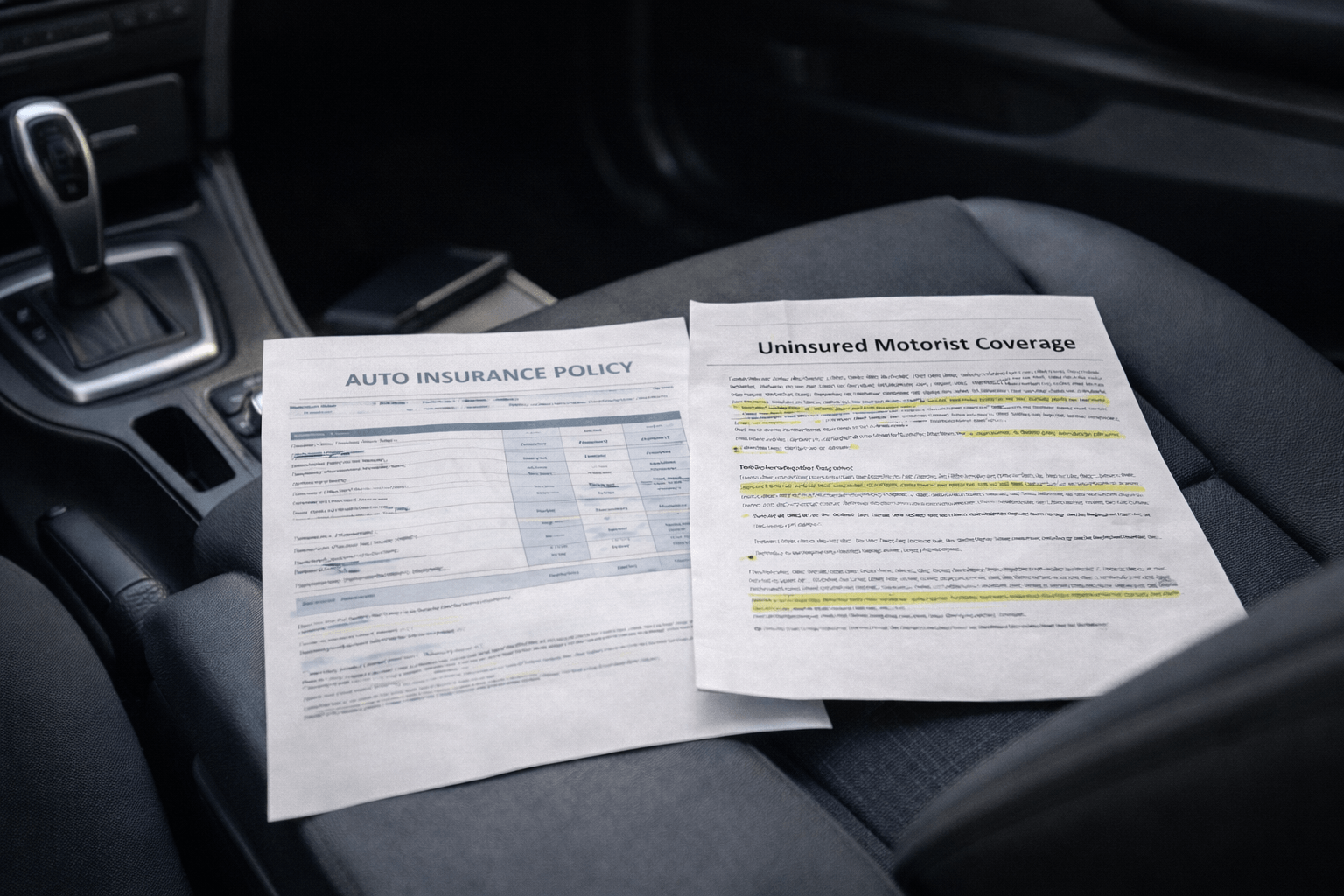
Insurance can be confusing because a cyclist is not occupying a motor vehicle. Florida's no-fault statute provides personal injury protection benefits in specified circumstances to an insured owner or qualifying resident relative injured in Florida while not occupying a self-propelled vehicle when the injury is caused by physical contact with a motor vehicle. The cyclist's own household automobile policy, the involved vehicle's policy, health insurance, medical payments coverage, uninsured or underinsured motorist coverage, and other policies may require review. Coverage depends on policy language, household vehicles, residency, and the facts.
What Damages May Be Investigated?
Depending on liability, causation, insurance, and medical evidence, a claim may include medical expenses, lost income, reduced earning ability, bicycle and equipment damage, and noneconomic losses. Future treatment or permanent limitations require supporting evidence rather than estimates made immediately after the crash. Keep repair estimates, purchase records, serial numbers, photographs, receipts for transportation, and proof of missed work. Do not dispose of custom equipment simply because an insurer has issued a property payment.
Comparative Fault Can Affect Recovery
Insurers may argue that the cyclist contributed to the crash through lane position, lighting, speed, traffic controls, distraction, or other conduct. Florida applies modified comparative fault in covered negligence actions. A party found more than 50 percent at fault for his or her own harm generally may not recover damages, and a lower percentage can reduce recovery. This makes objective evidence and a careful application of bicycle rules important. A violation must still be connected to the incident rather than assumed to be the cause.
Review Deadlines Promptly
Florida law generally provides a two-year limitations period for negligence actions, but government roadway claims, product defects, minors, deaths, and other circumstances can involve different procedures or deadlines.
The practical deadline to preserve traffic video, vehicle data, cycling-device records, and the bicycle itself may be much shorter. Early investigation can protect evidence even when the full medical outcome is not known.
What Should You Bring to a Bicycle Accident Consultation?
Bring the crash report number, photographs, driver and insurance information, witness contacts, medical paperwork, bicycle purchase and repair records, device data, helmet and clothing, work-loss documents, and all insurer communications.
Talk to Pipas Law Group
Have questions after an accident?
The Pipas Law Group team can review the details, explain what may matter, and help you think through your next step.